
Cordoba Caliphate, Flourishing Tolerance or a Mirage?
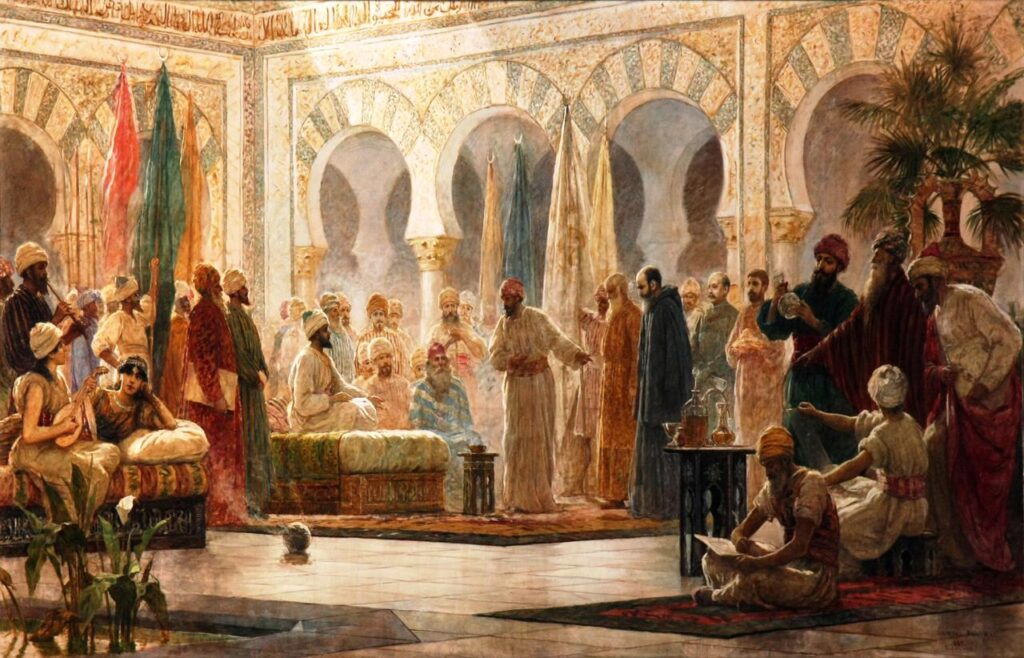
The Caliphate of Cordoba, formed in the 10th century region of al-Andalus (Islamic Spain) is often considered as one of the brightest examples of relative religious tolerance and cultural flourishing. Under the rule of Caliph Abd al-Rahman III followed by his son, al Hakam II, Muslims, Christians, and Jews coexisted in a society that contemporary […]
The Lotus Temple in Delhi; A House of Worship for All: A Model of Shared Religious Space

In a city as religiously and culturally diverse as Delhi, the Lotus Temple stands out because it was built to welcome everyone. The Lotus Temple was opened to the public in December 1986. Nine doors provide access for visitors to its large central prayer hall, a place where there is no cantor, clergy, priest, pulpit, […]
Jacqueline Isaac: Survivor-Centered Advocacy, Religious Freedom, and Civic Courage in the Defense of Persecuted Communities
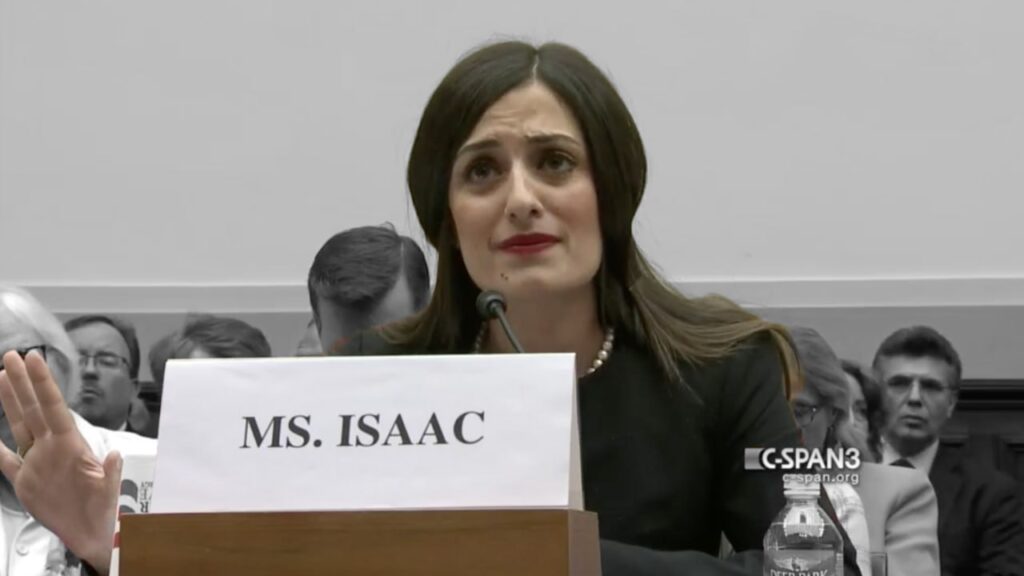
In 2015, Jacqueline Isaac appeared before the U.S. House Foreign Affairs Committee to testify about ISIS’s attacks on religious minorities in Iraq and Syria. She did not speak only as a lawyer or policy advocate. She spoke as someone who had traveled repeatedly to Northern Iraq with Roads of Success, met displaced families, visited survivors […]
From Religious Bloodshed to Religious Coexistence: Securing Freedom of Belief: Comparative Lessons from Five Pluralistic Societies

France was not always a free country when it came to religion and belief. During the late 16th century, the country was torn apart by the French Wars of Religion between Catholics and Protestants. In cities like Paris, neighbors who had once lived side by side grew suspicious of one another, their differences inflamed by […]
Humanist Organizations in the United Kingdom and France: Structures, Activities, and Lessons for Iran

Abstract This case study examines the development, structure, and activities of humanist organizations in the United Kingdom and France, focusing on their role in promoting secular ethics, social cohesion, and freedom of belief. By analyzing groups such as Humanists UK and Union Rationaliste, the study highlights how non-religious communities organize, advocate, and contribute to public […]