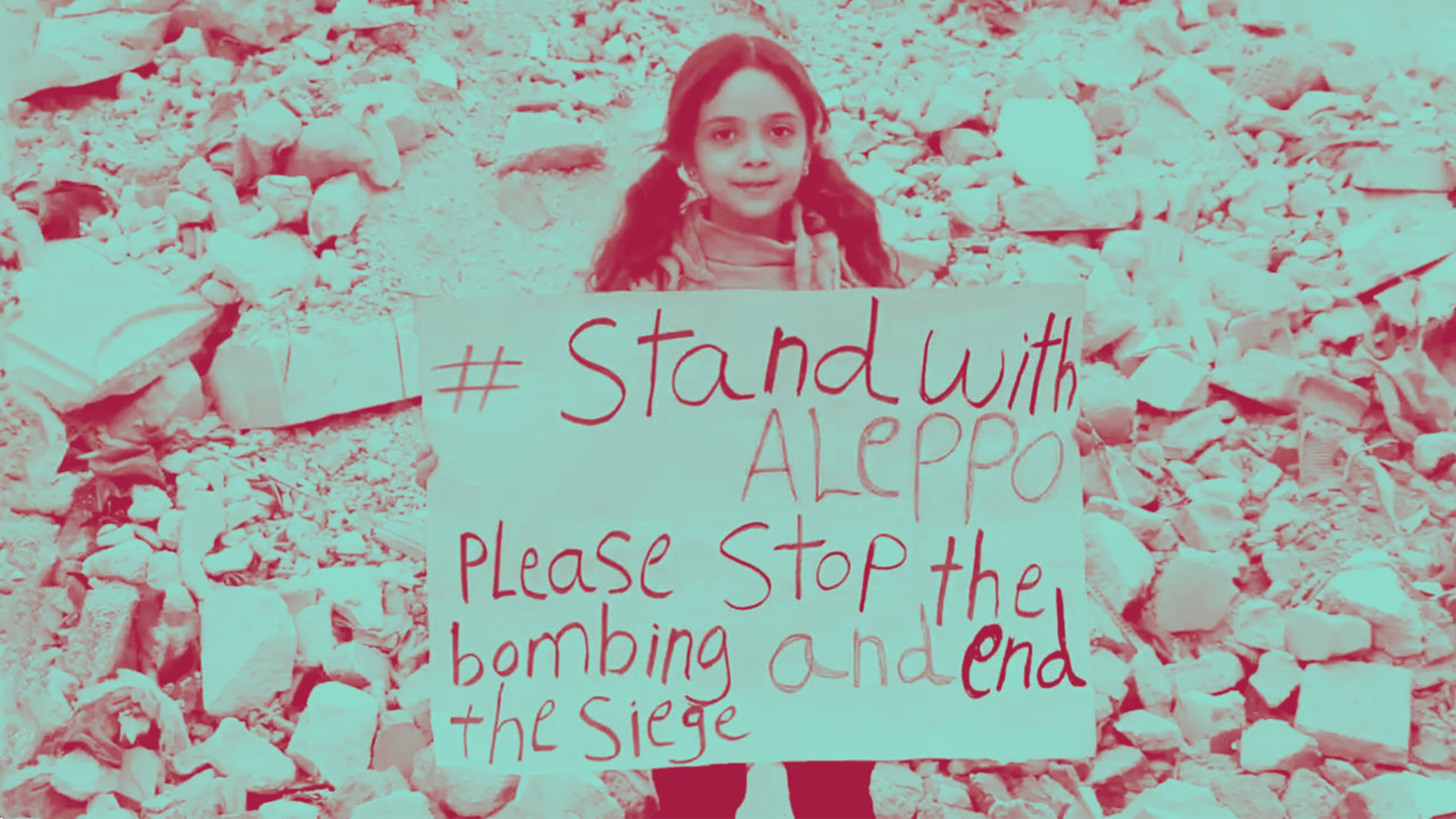
In the midst of the harrowing tales from war-torn Aleppo, a young girl’s tweets depicted the resilience and hope that endures even in the darkest of times. Using her mother’s Twitter account, Bana Al-Abed shared snapshots of life surrounded by turmoil. Her tweets not only revealed a child’s innocence seeking refuge from the harsh realities of war, but also spoke volumes about the universal longing for peace. Among waves of destruction, Bana found a momentary escape, a glimmer of normalcy, and a companion to share her journey. Her tweets, with their simplicity and sincerity, touched the hearts of thousands worldwide. It reminded us that amid the headlines and geopolitical complexities, the human spirit persists, seeking solace in the smallest joys. In the realm of activism, so often those small, sincere, and innocent actions possess the transformative power to create lasting impact. Acts of empathy and genuine connection, especially when driven by sincerity and purity of intent, can ripple through communities and ignite positive change. These acts serve as reminders that even the smallest steps—whether it’s advocating for a cause, spreading compassion, or fostering understanding—can collectively pave the way for significant and meaningful change.
Introduction
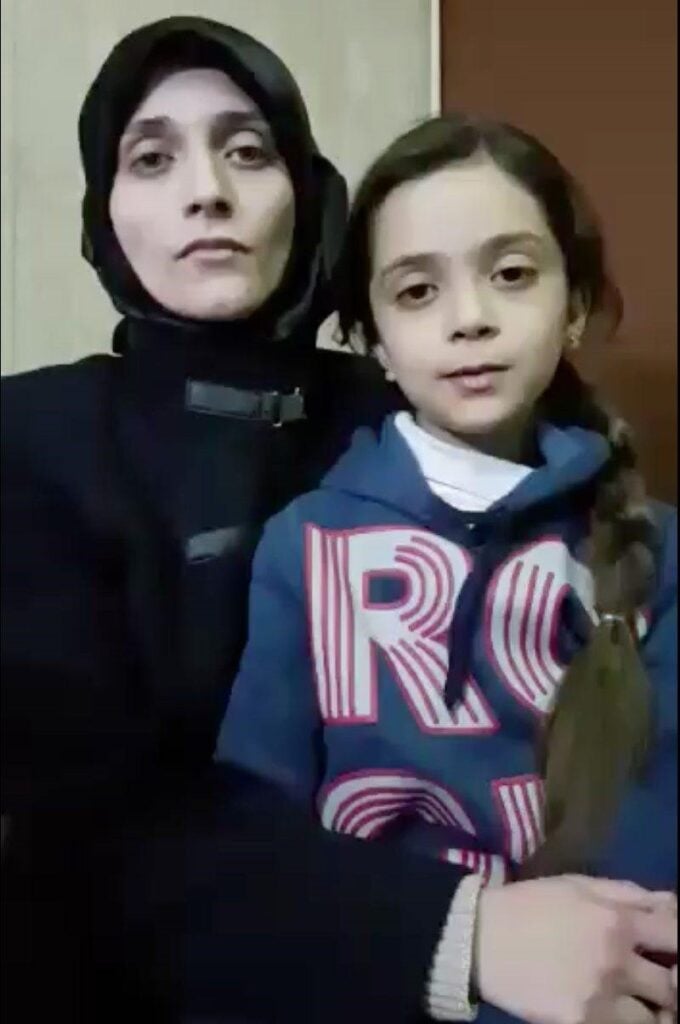
In 2016, seven-year-old Bana al-Abed from Syria became a powerful symbol of the suffering brought about by the country’s prolonged conflict. With heartfelt tweets that vividly portrayed the harsh realities of a life of deprivation and violence in war-torn Aleppo, Bana, through an account managed by her mother Fatemah, gained over 260,000 followers. Her account became a global platform that conveyed to the world the struggles faced by civilians in the besieged city. Her account’s abrupt closure sparked international concern, drawing attention from high-profile figures like J.K. Rowling who supported the #Whereisbana? campaign, emphasizing global community’s concern for her and her family’s safety. Although the account was reinstated after two days, subsequent messages suggested that the family remained in imminent danger of capture by forces loyal to Syrian President Bashar al-Assad, especially as the battle to reclaim Aleppo intensified. The uncertainty regarding their well-being deepened as the family’s exact whereabouts remained unknown.
In December 2016, however, it was reported that Bana and her family had been evacuated from Aleppo one day after the city was recaptured by government forces, during which their home was destroyed, and the family sustained minor injuries. On December 21, 2016, the family received official permission to live in Turkey, a significant milestone further highlighted by their encounter with President Erdoğan, that drew international media attention. Bana and her family’s Turkish citizenship was granted by President Erdoğan in 2017[1]. But Bana’s influence didn’t remain confined to the borders of Turkey. By October 2017, she had taken her message to a global stage, visiting New York and addressing the United Nations through a recorded message. Her experiences, detailed in her memoir “Dear World” published by Simon and Schuster, offered the world a visceral account about the survival, escape, and perseverance of Bana and her family amidst Syria’s conflict. Bana’s resilience and her ability to inspire were further recognized in 2018 when she was honored with the Rising Star Award at The Asian Awards, a testament to her significant impact at such a young age.[2]
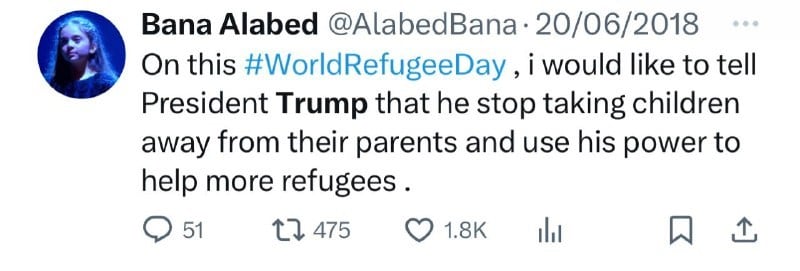
Bana and her family’s resettlement in Turkey opened a new chapter in their lives, filled with hope for a return to normalcy, which was symbolized by Bana returning to school, playing in the park, and experiencing the joys of a regular childhood. This marked a profound moment of relief for a family that had endured the horrors of war and displacement, underscoring the critical role of international efforts in providing sanctuary for those ravaged by the Syrian conflict. Bana’s journey encapsulates the complexities of documenting a child’s experience amid a prolonged conflict, where stories are far from simple, and the impact resonates far beyond the remnants of a war-torn city.[4]
Environment and context
As Syrian government forces were mounting attacks to regain control of more than half of the rebel-held districts in Aleppo, Bana Al-Abed turned to Twitter to share her experiences, thoughts, and feelings amidst the dire circumstances. Her tweets offered a heart-wrenching, firsthand glimpse into the daily lives and struggles of civilians caught in a crossfire that had transformed the once vibrant city into a tableau of the Syrian civil war, plagued with intense conflict, humanitarian crises, and widespread devastation. Forced disappearances and civilian casualties became tragically common, painting a grim picture of life in the war-torn city.

The international community’s efforts to broker a ceasefire faced significant challenges, particularly with Russia and China’s vetoes against a UN Security Council resolution calling for a seven-day truce in Aleppo. Russia’s steadfast support for Syrian President Bashar al-Assad along with its active participation in the offensive to recapture rebel-held territories shaped the conflict’s course. The case of Bana Al-Abed brought into sharp focus the wider global impact of such individual and national struggles, compelling the international community and activists worldwide to unite in addressing the plight of those living under suppressive regimes like Syria[5].
Russia’s influence emerged as a central theme in the plight of Aleppo, with its decisions shaping the conflict’s trajectory. The exercise of veto power in the UN Security Council and the rejection of a ceasefire resolution raised questions about Russia’s priorities and objectives in the region. Bana case underscores the intricate web of geopolitical dynamics, with irresponsible regimes determination to maintain the offensive complicating international efforts to ameliorate the crisis in Aleppo.[7]
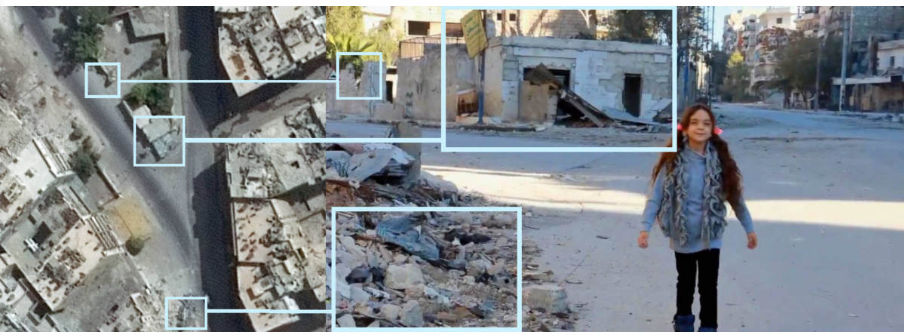
One critical aspect of the Bana case was challenge of maintaining access to electricity and the internet in the war-ravaged Aleppo. The ingenious use of solar panels by her family to power their devices reveals their determined efforts to stay connected online, despite the adverse situation caused by the war. Reports and videos have confirmed the existence of infrastructure that facilitated their online presence, revealing the adaptive strategies employed by civilians to navigate the challenging circumstances of a war-torn environment.[8]
The environment during Bana Al-abed’s tweets reflected the broader challenges faced by Syrians across the country, including displacement, shortage of essential resources, and the constant threat of violence. Bana’s tweets provided a glimpse into the harsh realities faced by children and families in Syria, transcending the boundaries of the conflict and urging the international community to address the urgent humanitarian needs of those caught in the midst of prolonged and devastating war.
Message and outreach
Bana Al-Abed’s social media presence quickly evolved into a significant phenomenon, symbolizing the human impact of the Syrian conflict in Aleppo. Managed by her mother, Fatemah, Bana’s Twitter attracted over 100,000 followers in just three months, drawing attention from renowned figures such as J.K. Rowling. The surge in her account’s popularity was fueled by the intense media focus on Aleppo’s dire circumstances, positioning Bana as a symbol of the suffering faced by children in war-ravaged Syria. Although her tweets faced skepticism regarding their authenticity, geolocation analyses corroborated that they were indeed sent from East Aleppo, confirming the family’s perilous situation.
The management of Bana’s Twitter account was instrumental in its profound impact and the sophistication of its content. Fatemah, an English-speaking teacher with a journalism background, took charge of the account, navigating the nuances of the language and content. While some sceptics questioned a 7-year-old’s ability to run a successful social media campaign, the account’s bio clearly stated, “managed by mom.” The tweets attributed to Bana were in the minority, and most of the tweets were crafted by Fatemah, showcasing a collaborative effort between mother and daughter.
Bana’s memoir, “Dear World,” co-authored with her mother, also offers a testament to her indomitable spirit and documented the family’s experiences during the Syrian civil war. The book chronicles their harrowing journey, providing a gripping narrative of survival amid war and terror. Bana’s tweets, translated into a cohesive narrative in the book, broadened her audience. Published by Simon & Schuster, the memoir serves as a powerful reminder of the human cost of war and displacement, calling for empathy and action on behalf of all children embroiled in conflict across the world.
Bana’s influence extended far beyond the confines of the internet, turning her into an international symbol of resilience and hope. Media outlets worldwide covered her journey, elevating her to a spokesperson for the suffering of Syrian civilians. The simplicity and authenticity of her tweets resonated with the global audience, prompting discussions on the urgency of addressing the plight of civilians in war zones. Her meetings with world leaders, including President Recep Tayyip Erdoğan, underscored the significant diplomatic and political implications of her narrative. Bana Alabed’s transformative impact exemplifies the influential role of social media in shaping global narratives and advocating for change, making her an unintentional advocate for the countless children affected by conflict.

Goals, moves, and challenges.
Bana Al-abed’s experience during the Syrian civil war turned her into a vocal advocate for the atrocities faced by civilians, particularly children, during the conflict. Escaping from Aleppo as the city was being evacuated, Bana was able to bringing global attention to the dire circumstances in which she and her family lived. However, by chronicling human emotions using social media, Bana has faced accusations of being a propaganda tool. Critics have drawn parallels between Bana and Anne Frank, emphasizing the raw authenticity of her online narrative. Nevertheless, despite the authenticity felt by many, there remains a faction that doubts the veracity of her narrative and suggest that it might be orchestrated to serve political agendas.[11]
Bana’s story reached the highest echelons of international diplomacy, with leaders like Erdoğan engaging with her family, which underscores the symbolic importance of her plight. The narrative surrounding Bana contributed significantly to global discussions on the Syrian conflict and its impact on civilians, especially children. Her story served as a poignant reminder of the urgent need for a resolution to the prolonged conflict and influenced conversations within international organizations.
Despite the diplomatic resonance, Bana’s online presence faced considerable challenges, including political criticisms and sustained attacks by trolls. Pro-Assad online activists were suspected of orchestrating attacks to discredit Bana and her family. This aligns with practices observed in other regimes, such as Iran’s use of a “cyber army” to influence public opinion.[12] The ethical implications of merging political content with a child’s messages also surfaced, prompting scrutiny of the family’s intentions and the potential use of Bana as a propaganda tool.
The family encountered allegations from supporters of President Bashar al-Assad who accused them of being a mouthpiece for local opposition fighters. Questions arose regarding the authenticity of the information shared on Bana’s account, leading to doubts about the family’s agenda. Bana’s apparent coaching and prompting from behind the camera caused suspicions, with critics questioning if the family truly existed. The ethical considerations of using a child to convey politically charged messages prompted Twitter trolls to unleash threatening messages, even wishing harm on the 7-year-old. Despite these challenges, well-known activists in east Aleppo staunchly defended the family, highlighting the complex and contentious nature of Bana’s narrative in the context of war and propaganda.[13]
Lessons
Bana Al-Abed’s global recognition places her among historical figures like Anne Frank and contemporary advocates like Malala, all of whom have used their voice to address profound social and political crises. The universality of their narratives emphasizes the resilience and shared struggles of young individuals in diverse contexts. Bana’s case, distinct in the digital age, underscores the interconnectedness of individual, national, and global challenges, emphasizing the need for unity within the international community and among activists to address such issues. In oppressive environments like Syria and Iran, where individuals endure harsh repression and discrimination, Bana’s experience serves as a compelling plea for support from the international community, underlining the urgency of collective action.[14]
Bana’s story highlights the critical role of free expression and internet freedom. Her ability to use social media to share her experiences during the Syrian conflict underscores the importance of unrestricted access to information and global communication. Bana’s case also brings attention to the international support for war refugees, emphasizing the need for concerted efforts to address the plight of those affected by conflict.
Bana’s activism offers valuable lessons for activists worldwide. Her simple and innocent actions, particularly on Twitter, illustrates the significant impact that individuals, often perceived as powerless, can have on narrative formation and influencing those in positions of power. Bana’s case resonates with Vaclav Havel’s idea that the dynamics of power are shaped by the interactions between the powerful and the powerless. Her tweets, originating from a position weakness, gained momentum, putting pressure on the oppressors and compelling reactions.

For Iranian activists, Bana’s case serves as a blueprint for enhancing advocacy efforts. Leveraging social media, especially platforms like Twitter, can be an effective strategy to share stories, raise awareness about human rights issues, and connect with a global audience. Bana’s personal and relatable narrative underscores the potency of individual stories in humanizing causes, fostering empathy, and encouraging public engagement. Engaging with global media becomes crucial, amplifying voices and drawing international attention to the advocated issues.
The case also highlights the challenges activists may face in the online sphere, particularly dealing with trolls and misinformation. Bana’s experience with organized trolling resonates with the concerns of activists in Iran and underscores the importance of preparedness. Strategies to navigate misinformation or attacks involve building a resilient online presence through community support, fact-checking, and transparency. Additionally, the attention garnered by Bana’s tweets about education and her love for books, universally valued and shared, emphasizes the potential for solidarity around shared values, even in the face of adversity.
Conclusion
In conclusion, Bana Alabed’s story stands as a testament to the universal impact of war on innocent lives, transcending borders and prompting a collective call for attention and intervention. Through her Twitter account, Bana became a symbol of shared humanity, shedding light on the devastating realities of the Syrian conflict. The resonance of her story, particularly in the global context, highlights the interconnectedness of disparate issues and the ability of individual narratives to drive broader conversations and actions on the world stage.
The intersection of digital activism and ethical considerations emerges as a critical aspect of Bana’s case. While her Twitter account served as a powerful platform to raise awareness about the human cost of war, questions of consent, privacy, and the potential long-term impact on Bana’s life pose ethical dilemmas. As a child during the height of her online presence, concerns arise about her understanding of the implications of sharing personal and traumatic experiences. The ethical responsibility of obtaining informed consent, especially from a minor, becomes a central consideration in digital activism. The delicate balance between exposing the harsh realities of conflict and safeguarding an individual’s privacy and well-being underscores the complex ethical framework required in leveraging social media for advocacy, particularly in high-profile and sensitive cases like Bana’s.
In examining the multifaceted narrative of Bana Al-abed’s digital activism, it is imperative to recognize the indispensable role played by her family, particularly her mother, Fatemah. Amidst the harrowing circumstances of war in Aleppo, Fatemah assumed the responsibility of managing Bana’s Twitter account, providing a platform for her daughter’s voice. This underscores the significance of familial support in fostering a child’s capacity for activism. Fatemah’s guidance not only facilitated Bana’s ability to share her experiences but also served as a protective shield, navigating the ethical complexities of digital advocacy on behalf of a minor. The family’s collective resilience and determination in the face of adversity reflect the pivotal role that parents can play in nurturing the activism potential of their children, emphasizing the importance of a supportive familial environment in empowering young voices to address global issues.
The significance of Bana’s impact is magnified by the fact that she communicated her experiences with broken English, emphasizing the universal accessibility and power of individual voices, regardless of linguistic limitations. This aspect underscores the potential for meaningful activism and advocacy even when faced with linguistic challenges, emphasizing the democratizing nature of social media platforms.
In essence, Bana Al-abed’s story serves as a call for collective responses to humanitarian crises and reinforces the enduring power of personal stories in shaping international discourse and inspiring positive change.
[1]. Kareem Shahin. “Aleppo Tweeter Bana Alabed, Seven, Meets Turkish President.” The Guardian, Guardian News and Media, 21 Dec. 2016.
[2]. “The Rising Star Award BANA AL-ABED.” The Asian Awards. Accessed 13 Nov. 2023.
[3]. Bana Alabed, (@alabedbana). X (Twitter). “On this #worldrefugeeday…” 20 June 2018.
[4]. Megan Specia. “Bana Al-Abed on Twitter: Proof of Life in a War Zone.” The New York Times, 14 Dec. 2016.
[5]. “Where Is Bana? Fears for Syrian Girl Who Tweeted from Aleppo.” The Guardian, Guardian News and Media, 5 Dec. 2016.
[6]. Ibid.
[7]. Roberto Vivaldelli, “The truth about Bana, the girl of Aleppo.” Inside Over. 31 July 2017.
[8]. Danuta Kean. “Bana Alabed, Seven-Year-Old Syrian Peace Campaigner, to Publish Memoir.” The Guardian, Guardian News and Media, 13 Apr. 2017.
[9]. Nick Waters. “Finding Bana – Proving the Existence of a 7-Year-Old Girl in Eastern Aleppo.” Bellingcat. 14 December 2016.
[10]. Bana Alabed. “Dear World : A Syrian Girl’s Story of War and Plea for Peace.” Better World Books.
[11]. Mehul FT. Srivastava. “Seven-Year-Old Bana al-Abed, the ‘Face of Aleppo.’” Financial Times, 10 Mar. 2017.
[12]. Arian Khameneh. “The Scorched-Earth Tactics of Iran’s Cyber Army.” Wired, Conde Nast, 21 Mar. 2023.
[13]. Timmi Allen. “Finding Bana – Proving the Existence of a 7-Year-Old Girl in Eastern Aleppo.”
Bellingcat, 14 Dec. 2016.
[14]. “Where Is Bana? Fears for Syrian Girl Who Tweeted from Aleppo.” The Guardian, Guardian News and Media, 5 Dec. 2016.
[15]. Bana Alabed. (@alabedbana). X (Twiiter). “Goodbye to my…”. 20 June 2018.