Genuine and meaningful political engagement is difficult in many parts of the world, especially for those seeking change or advocating for justice.
For women, this journey is even harder due to persistent discrimination and resistance from political leaders, and prevailing bias among the public who struggle to accept women as leaders. This gender inequality in political engagement and participation is especially evident in countries like Iran, where few women activists exist, and many face repression. This repression is even harsher when the goals of women activists challenge deeply rooted traditional norms and values.
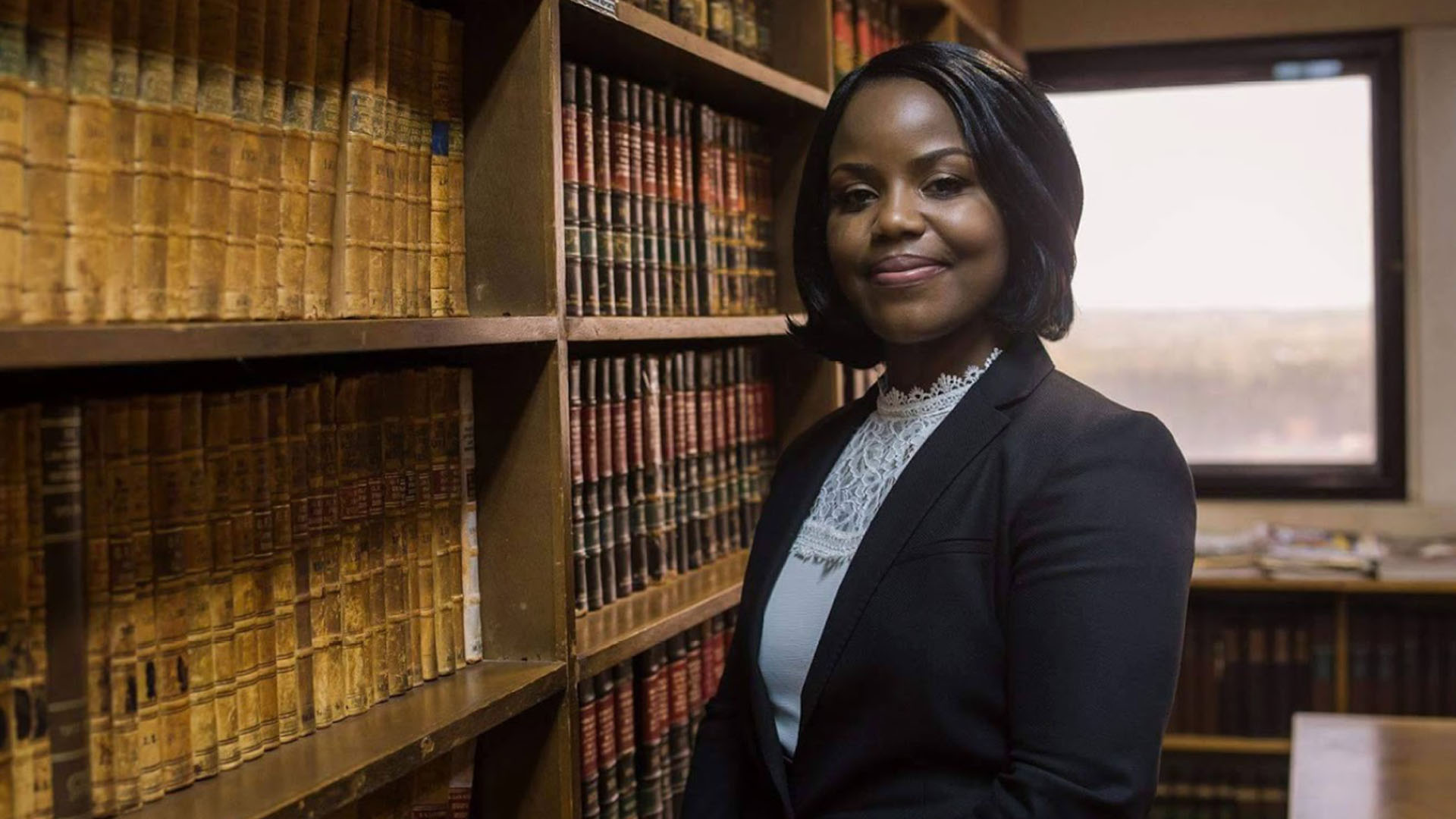
Fadzayi Mahere, a prominent Zimbabwean lawyer and politician, exemplifies resilience and leadership. Currently serving as the National Spokesperson for the Citizens Coalition for Change and a Member of Parliament in Zimbabwe, Mahere’s story highlights the obstacles and struggles she faced in her pursuit of political office. Her journey offers valuable lessons for anyone eager to engage in shaping their nation’s political future. Her story is especially inspiring for women at the forefront of change, highlighting both the challenges and triumphs of breaking into the political arena. By exploring her experiences, we gain a deeper understanding of the obstacles women face in politics and the triumphs of women striving to make a transformative impact in the political arena.
Who is Fadzayi Mahere?
Fadzayi Mahere is a prominent Zimbabwean lawyer and politician with a rich background in advocacy and leadership. Known for her role as the National Spokesperson for the #ThisFlag citizens’ movement and the Citizens Coalition for Change, a leading political organization in Zimbabwe, Mahere has been a steadfast advocate for justice and reform. Hailing from Mount Pleasant, Harare, she transitioned from a career in legal advocacy to the political office in April 2016. She initially ran for office as an independent parliamentary candidate, but later joined the Movement for Democratic Change, positioning herself among activists challenging government policies. Her unwavering dedication to change and justice has come at a cost, including multiple arrests as she boldly confronted government authority and entrenched societal norms.[1]
Fadzayi Mahere’s academic achievements reflect her unwavering determination and drive. She earned a Bachelor of Law Honours degree from the University of Zimbabwe in 2008 before completing a Master of Laws in International Criminal Law and International Commercial Litigation at the University of Cambridge in 2011.[2]
As a resolute and vocal opposition figure, Mahere’s influence extends well beyond her academic and professional accomplishments. Her role as the passionate spokesperson for the Citizens Coalition for Change highlights her pivotal position in Zimbabwe’s political landscape. Mahere’s journey demonstrates her tireless and relentless pursuit of justice, transparency, and meaningful change within Zimbabwe’s political system, cementing her status as one of the nation’s foremost political leaders.
Vision and motivation
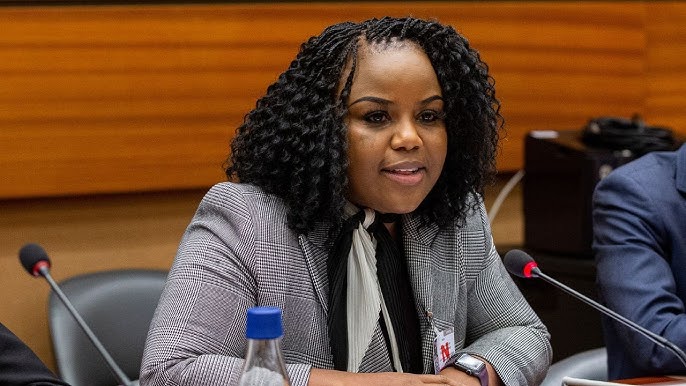
Fadzayi Mahere emerged as a vocal critic of Mugabe’s rule as Zimbabwe grappled with crisis during the latter years of his rule. She boldly highlighted systemic mismanagement, emphasizing that Zimbabweans alone held the key to rescuing their nation. Since then, she has undergone a transformational journey. In 2016, Mahere actively participated in the Reserve Bank of Zimbabwe’s public inquisition on the introduction of additional bond notes, arguing that they were unconstitutional.
Using powerful but nonviolent political engagement, Mahere seeks to bring meaningful change to Zimbabwe. In 2019, she joined the Movement for Democratic Change (MDC), believing in the strength of a united opposition to lead Zimbabwe away from poor governance. [3] Since 2020, she has served as the National Spokesperson for the MDC Alliance coalition, using her platform to expose corruption and hold the government accountable. Mahere has established herself a steadfast advocate for change, justice, and transparency, fighting through adversity to shape a better future for Zimbabwe.
Her vision extends to fostering good governance and development in Zimbabwe, rejecting the idea of leaving for a better life abroad.[4] Instead, she focuses on contributing to the nation’s progress. Her determination is rooted in a childhood vision of a hopeful, thriving Zimbabwe, which has driven her since the age of 14, when she aspired to become a lawyer. [5]Her vision is anchored in a childhood dream of a hopeful and thriving Zimbabwe, a vision that has fueled her determination since the age of 14, when she first aspired to become a lawyer. Rejecting the notion of seeking a better life abroad, she is committed to contributing to the nation’s progress through good governance and sustainable development. Believing that meaningful change requires political engagement rather than activism alone, she chose to enter politics, emphasizing that power is negotiated within political structures to achieve lasting transformation. [6]
Mahere is driven by an unwavering commitment to her visionary ideals, a determination that has seen her endure significant challenges. [7] In 2017, she experienced her first arrest after organizing a soccer tournament as part of her campaign efforts in her constituency. [8] Her most notable arrest, however, occurred in January 2021 due to her online activities. She was accused of spreading false statements about the state with the alleged intent to incite disorder and undermine public trust in the police—charges often used by authoritarian regimes to silence political opposition. [9] During her imprisonment, Mahere observed the systematic mistreatment of prisoners, describing how they were forced to kneel before wardens and were denied basic rights, such as wearing a bra or eating with a spoon.[10]
Despite the adversity she faced, Mahere remained steadfast in her belief that a democratic society should be devoid of political violence, fostering an environment where freedom of expression and assembly can flourish without the threat of imprisonment. Her vision for Zimbabwe is a nation where diverse perspectives are welcome, and where individuals are free to challenge established norms without fear of retaliation.[11]
Challenges and actions
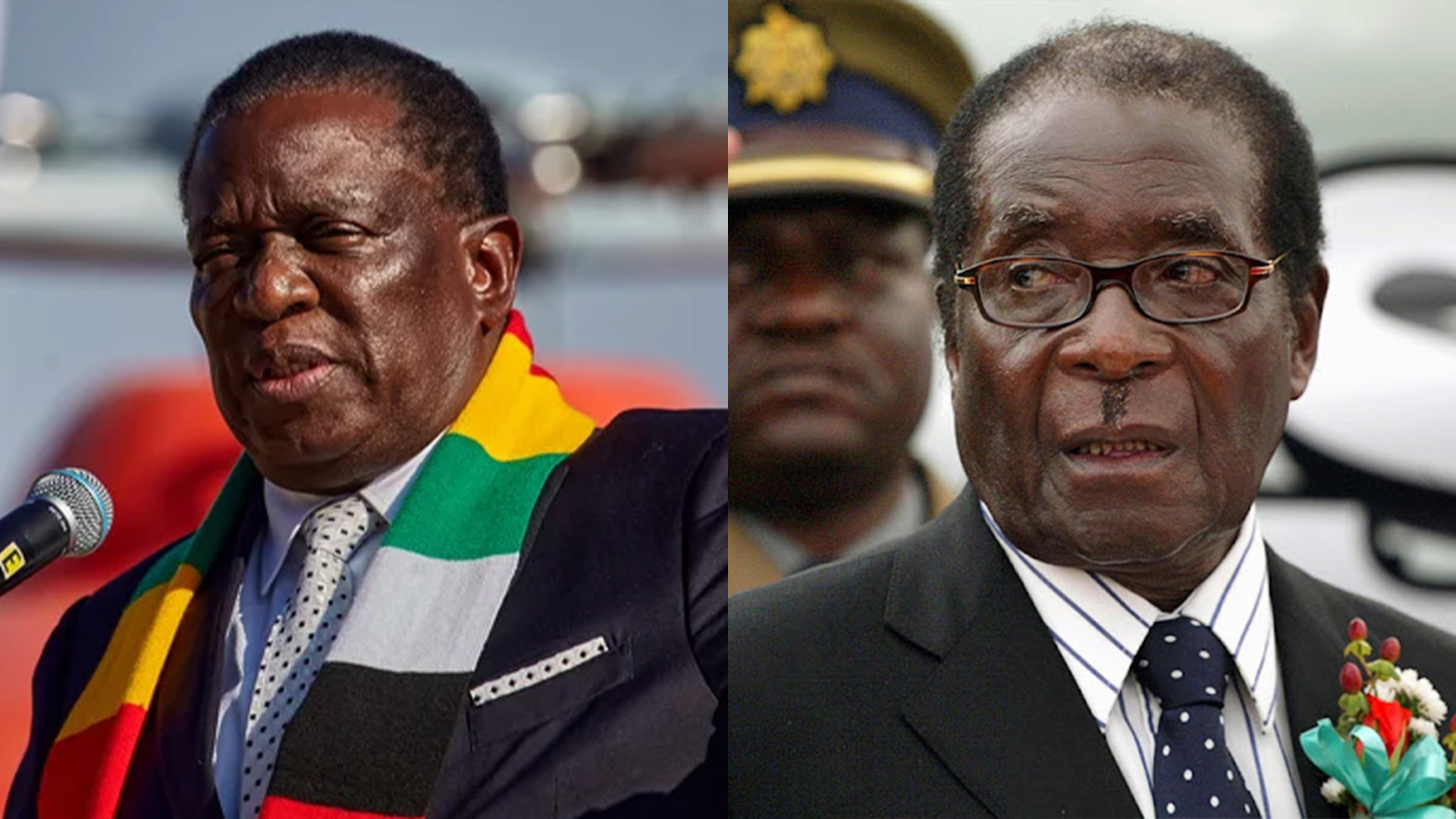
Throughout her political career, Fadzayi Mahere has faced numerous challenges that have shaped her trajectory and approach to leadership. Between 2016 and 2022, she transitioned from an independent parliamentary candidate to a key figure in Zimbabwe’s main opposition party, the MDC Alliance. This evolution was not without its hurdles. Unfair practices in political competition proved to be a major obstacle, with the ruling ZANU-PF party—first under Robert Mugabe and later under Emmerson Mnangagwa—posing a formidable challenge[12].
Despite setbacks, Mahere established herself as a prominent critic of government inefficiencies and alleged state misconduct[13], using her expertise as a constitutional lawyer to substantiate her arguments. However, a widespread skepticism toward politicians posed a significant challenge in earning public trust. Some questioned her credibility, asking how she could be trusted to stand apart from other political figures. To address this skepticism, she tackled the prevalent perception of self-serving politicians, emphasizing her dedication to change and working to communicate her commitment clearly to the public.[14]
Mahere’s journey took a significant turn in 2019 when she joined the MDC Alliance as the Secretary for Education, Sport, Arts, and Culture, following a setback in a parliamentary campaign. Her leadership style was characterized by active engagement and innovative communication strategies. Utilizing online platforms, she successfully addressed governance issues and launched the ‘Be the Change’ campaign, which resonated with both middle-class and lower-income constituents. Using hashtags such as ‘this flag’, she focused on the national interest.[15]
Mahere’s approach to politics is defined by relentless hard work and vigor. For instance, ahead of the 2018 elections, she tirelessly canvassed her region to spread her message and encourage voter participation. Her leadership reflects a commitment to ushering in a new era of politics, advocating for innovative approaches to create new opportunities for Zimbabwe. Recognizing the power of collective action, Nelson Chamisa appointed her as the main opposition spokesperson in 2020.[16] In 2022, Mahere represented Zimbabwean advocate Nelson Chamisa in a talk at Harvard Law School. [17] She also participated in the Geneva Summit for Human Rights and Democracy in 2023. Additionally, she has spoken at the Harvard African Development Conference in 2017 and at the University of Cape Town Zimbabwe Society on African development topics. As a regular speaker at schools, she emphasizes the importance of civic engagement among young people and the advancement of women’s rights. [18]
Mahere’s skilful use of communication tools to connect with her audience and share her message globally offers a valuable lesson, particularly for those in similar circumstances, such as Iran. In conditions where independent institutions are suppressed or controlled by the government, traditional avenues for policy change and message dissemination become ineffective. Activists must therefore seek alternative, impactful channels. For example, human rights defenders and political prisoners in Iran utilize online platforms to voice their opinions, unite, and raise awareness about human rights issues. This underscores the critical need for accessible alternatives, such as secure internet access, to support democracy activists, educational efforts, and citizen empowerment initiatives.
Civic environment
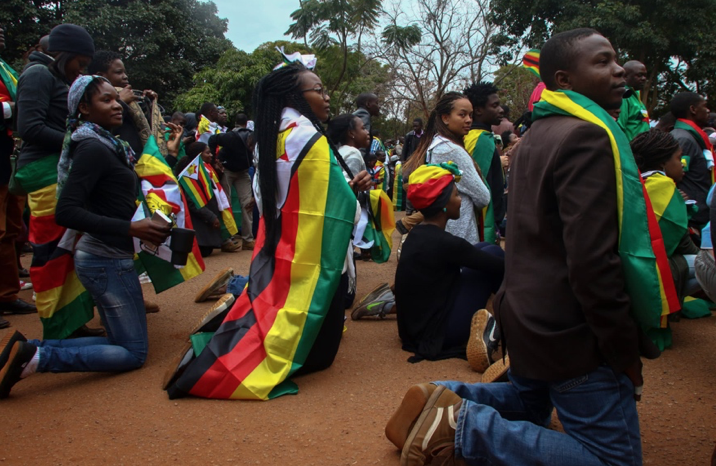
The era of Robert Mugabe’s rule, which lasted almost four decades until 2017, was marked by a steady rise in authoritarianism, dissent suppression, and economic hardship. Although his removal in November 2017 briefly sparked hope, with successor Emmerson Mnangagwa promising political and economic reforms, the ruling party quickly reverted to familiar oppressive tactics. During the violent crackdown in early August 2018, security forces shot peaceful demonstrators protesting delays in election results, killing six civilians, including bystanders. Subsequent protests faced similar repression. Zimbabwe’s democratic landscape continues to suffer from restricted press freedom, human rights abuses, and a heavily constrained political space for opposition parties.
Zimbabwe’s prolonged economic crisis intensifies these challenges. Rising unemployment, mass emigration in search of better opportunities, and the near-collapse of public services are worsened by rampant corruption and mismanagement. [19] In such a tumultuous environment, pursuing a free and oppositional political career is undeniably both difficult and courageous. Historically, women have been significantly underrepresented in politics and governance, with a limited presence in the Zimbabwean Parliament highlighting these disparities. Overcoming such barriers often requires navigating cultural norms that confine women to private roles, addressing financial constraints for campaigning, and confronting intimidation and violence.
Fadzayi faces challenges that go beyond official opposition and suppression, including personal criticism, family concerns, and occasional disrespect. Despite being a highly respected lawyer, she is frequently subjected to intense scrutiny, with questions ranging from trivial matters, like her Apple Watch, to invasive inquiries into her personal life, increasing the risks she faces. Her parents initially hesitated to support her activism out of concern for her safety. Additionally, the verbal abuse she endures, often sexualized, highlights a broader issue faced by female politicians in Zimbabwe. Mahere, however, has consistently demonstrated her competence, refusing to be constrained by gender stereotypes. Advocating for competency-based politics, she champions the recognition of women as capable and essential participants in national debates, rather than simply fulfilling quotas. Through this approach, she seeks to expand the conversation about women’s roles in politics.[20]
This resonates with the experiences of women activists in Iran, where gender disparities are deeply ingrained. Like Fadzayi Mahere in Zimbabwe, women activists in Iran also struggle with societal norms that discourage their involvement in politics and human rights advocacy. For instance, Iranian women activists use online platforms to express their views and unite against the oppressive regime. Iranian women activists are also under pressure and threats from the Islamic totalitarian regime.
Outreach activities and achievements
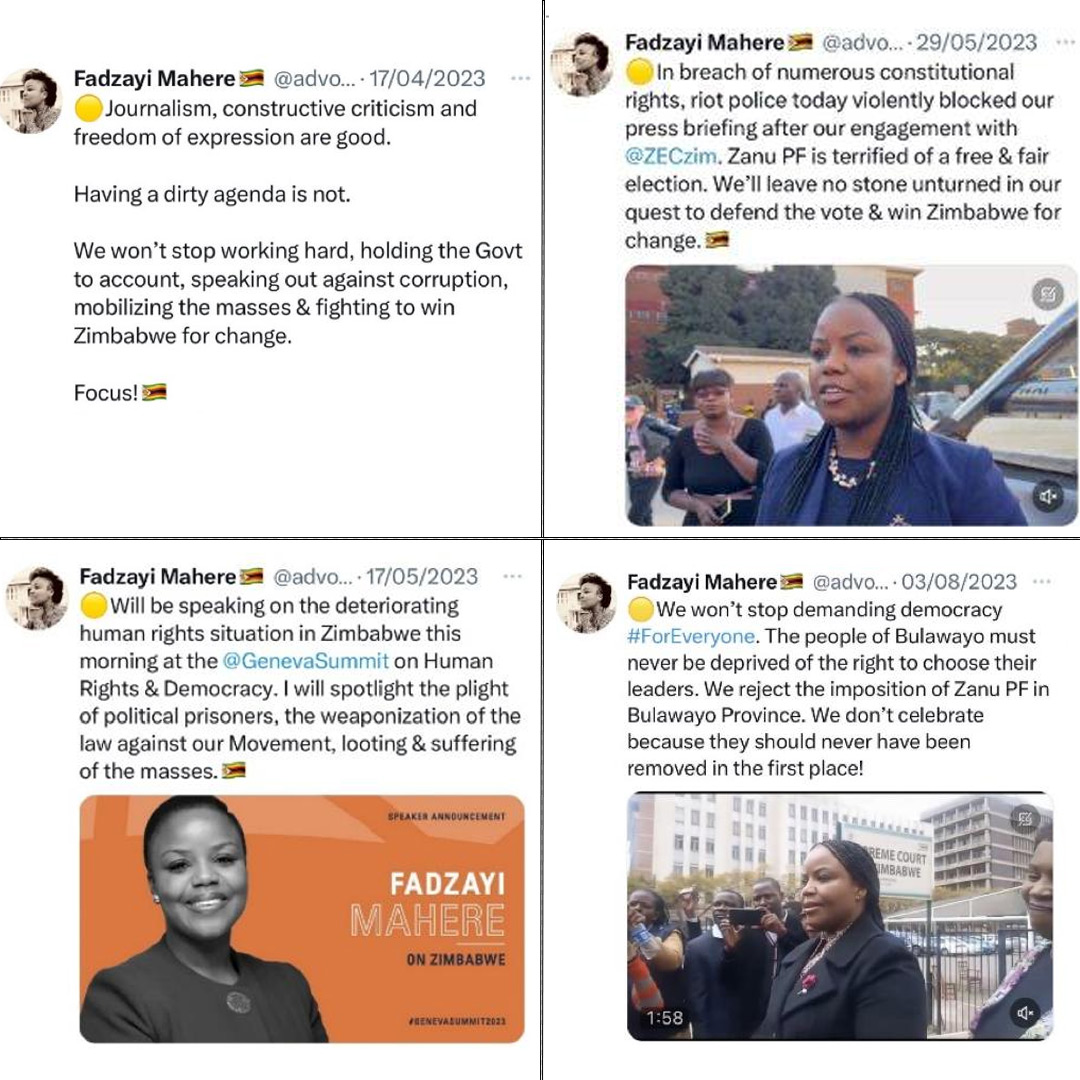
Considering the civic environment and political barriers, it is no surprise Mahere describes herself as a political outsider.[21] Nevertheless, she is widely recognised as one of Africa’s most promising young political leaders. A digitally savvy communicator, Mahere has cultivated a strong online presence, with over half a million followers on Twitter—now known as X. Her posts range from motivational quotes to commentary on issues like spiraling inflation and violence against political activists. She also leverages social media to amplify opposition party messages and announcements, solidifying her role as a key voice in Zimbabwean politics.[22]
Throughout her career as a political activist, Mahere has addressed the Zimbabwean government on several occasions. For instance, she wrote an open letter to then-president Mugabe in 2016 criticizing the regime’s restrictions on freedom of expression, which did not allow ordinary citizens to question politicians or raise critical issues.[23] Later that year, Mahere joined street protests against the currency measures, and was arrested for the first time and held overnight, along with friends and her sister, Mudiwa, an economic development activist. By mid-2017, she announced her intention to run as an independent parliamentary candidate in the upcoming elections.[24] While her campaign garnered over 4,000 votes, it also significantly boosted her public profile.[25]
The attention Mahere gained did not come without consequences. She faced legal troubles and arrests, including charges of communicating falsehoods related to several of her social media posts. However, she only received an official charge sheet nearly 15 months after her arrest.[26] More than a year after her initial arrest on charges that Amnesty International described as “malicious”, Mahere’s trial relating to her tweets – initially scheduled to begin in June – only started recently continues to face delays.[27]
In 2016, as part of the #ThisFlag movement, Mahere began motivating and mobilizing citizens, primarily using social media platforms like Facebook Live and Twitter to rally against the government.[28] Mahere achievements resonated widely. She was part of the Lead Counsel team that won the All Africa International Humanitarian Law Moot Court Competition in Arusha, Tanzania, in 2007 and was awarded Best Oral Argument in the Finals.
In early 2016, she became actively involved in the citizen-led #ThisFlag movement, which called for reforms and sought to hold the ruling party accountable for Zimbabwe’s challenges. A central issue for Mahere was the government’s decision to issue “bond notes” to address a cash shortage, which forced people to queue for hours or even sleep outside banks. She argued that introducing these “bond notes” was unlawful, echoing public fears of a return to hyperinflation.[29]
On Twitter, Fadzayi Mahere describes herself as the “Zim Iron Lady,” demonstrating her resilient spirit. Her impactful tweets, featuring concise yet powerful slogans like “Citizens First,” “#ForEveryone,” and “New Great Zimbabwe,” reflect her values, vision, and ongoing efforts. She uses the platform to advocate for human rights activists, promote democratic inclusivity, and support persecuted political figures, such as Job Sikhala. Mahere is also a staunch defender of freedom of expression, asserting that art should never be silenced. She notably stood by Zimbabwean artist Winky D after he was banned from performing due to a song criticizing corrupt elites. Through her posts, Mahere vividly conveys her commitment to human rights, democracy, and artistic freedom.
While Mahere views social media as a vital tool for driving change, she does not see it as the only effective method. During her election campaign, she balanced social media activism with grassroots efforts, highlighting the importance of maintaining a strong political presence within the community. [30]
Conclusion
Fadzayi Mahere’s political journey highlights the substantial challenges involved in meaningful political engagement, particularly when advocating for justice and significant change. These difficulties are compounded for women, who face added barriers in various fields, including politics. Mahere’s career as a lawyer and politician exemplifies resilience and determination. Her impactful slogans, such as “Citizens First” and “New Great Zimbabwe,” embody her values, goals, and dedication to advocacy. She has consistently supported human rights defenders, promoted democratic inclusivity, and stood by persecuted figures like Job Sikhala, demonstrating her commitment to justice and freedom of expression.
Mahere’s leadership has faced its share of challenges, from navigating unfair political competition to overcoming public skepticism toward politicians. However, through strategic communication and her adept use of online platforms, she has connected with diverse audiences. Her activism and perseverance serve as a powerful example for those living under oppressive regimes with limited political space. Mahere’s dedication to challenging the status quo and her unwavering resolve to promote justice continue to inspire others.
[1]. Zoe Flood. “The Zimbabwean Political Figure Fighting for Her Country’s Future.” Al Jazeera, Al Jazeera, 7 July 2022.
[2]. “Fadzayi Mahere Officially Joins MDC.” Nehanda Radio, 20 June 2019.
[3]. Ibid.
[4]. Ibid.
[5]. Zoe Flood. “The Zimbabwean Political Figure Fighting for Her Country’s Future.” Al Jazeera, Al Jazeera, 7 July 2022.
[6]. Maryam Ahmad. “Fadzayi Mahere Calls on Youth to Participate in Democracy.” UWIRE Text 2022: 1–. Print.
[7]. “Fadzayi Mahere.” The Geneva Summit for Human Rights and Democracy, 18 May 2023.
[8]. “Fadzayi Mahere Arrested.” The Standard, 29 Oct. 2017.
[9]. Zoe Flood. “The Zimbabwean Political Figure Fighting for Her Country’s Future.” Al Jazeera, Al Jazeera, 7 July 2022.
[10]. Ibid.
[11]. Ibid.
[12]. Ibid.
[13]. Ibid.
[14]. Ibid.
[15]. Zoe Flood. “The Zimbabwean Political Figure Fighting for Her Country’s Future.” Al Jazeera, Al Jazeera, 7 July 2022.
[16]. Alois Vinga. “Chamisa Appoints Mahere Spokesperson in MDC Mini Reshuffle.” NewZimbabwe.Com, 29 May 2020.
[17]. Harvard Law School. “Hosting Fadzai Mahere (on Behalf of Advocate Chamisa): Zimbabwe’s President of the Opposition.” Harvard Law School, 18 Aug. 2023.
[18]. “Adv. Fadzayi Mahere.” ELLEN JOHNSON SIRLEAF – PRESIDENTIAL CENTER FOR WOMEN AND DEVELOPMENT, 6 June 2023.
[19]. Zoe Flood. “The Zimbabwean Political Figure Fighting for Her Country’s Future.” Al Jazeera, Al Jazeera, 7 July 2022.
[20]. Alex Magaisa. “BSR: Conversation with Advocate Fadzayi Mahere.” Big Saturday Read, 12 Dec. 2019.
[21]. Ibid.
[22]. Ibid.
[23]. “Fadzayi Mahere.” Pindula. Accessed 30 Aug. 2023.
[24]. Zoe Flood. “The Zimbabwean Political Figure Fighting for Her Country’s Future.” Al Jazeera, Al Jazeera, 7 July 2022.
[25]. Ibid.
[26]. Ibid.
[27]. Ibid.
[28]. “Fadzayi Mahere Officially Joins MDC.” Nehanda Radio, 20 June 2019.
[29]. Zoe Flood. “The Zimbabwean Political Figure Fighting for Her Country’s Future.” Al Jazeera, Al Jazeera, 7 July 2022.
[30]. Maryam Ahmad. “Fadzayi Mahere Calls on Youth to Participate in Democracy.” UWIRE Text 2022: 1–. Print.