
Introduction
The ongoing war between Russia and Ukraine started back in February 2014 due to Russia’s invasion and occupation of Crimea. By March of the same year, Vladimir Putin invaded Crimea. He took control of the peninsula with the support of paramilitary groups and troops, justifying his decision as a way to protect Russian ethnicity. A popular referendum was held to decide on Crimea’s annexation to Russia.[1] Even though the government of Ukraine labeled this decision as unconstitutional and full of irregularities, and the referendum was recognized as invalid by the majority of countries and the UN General Assembly resolution 68/262, by March 27, Crimea was incorporated into the Russian federation.[2] Many people protested against Russia’s occupation of Crimea, including Ukrainian film director Oleg Sentsov. The Russian military court accused him of organizing bombs and terrorist attacks and sentenced him to 20 years in prison, even though no evidence was presented.[3] Sentsov is just one example of the various Ukrainian political prisoners held unfairly in Russia under inhumane conditions. Since Crimea’s invasion in 2014, the persecution of political prisoners highly increased, with a significant percentage being Crimean Tatars. Due to the regular unlawful imprisonments happening in Russia, different organizations held various campaigns and strategies to help release Ukrainian political prisoners.
Political context
Back in November 2013, former President Yanukovych, a loyal Russian supporter, rejected the integration of Ukraine with the European Union due to his economic ties with Russia, which caused great displeasure among Ukrainian citizens who were hoping to improve their economic and political situation through this union. He was already seen as corrupt and autocratic, and this decision made Euromaidan arise, a name given to anti-government protesters, and demanded Yanukovych’s impeachment. After various failed attempts to stop the protests, including violent and illegal abuse of force by special police units, Yanukovych abandoned his office and fled to Russia, seeking asylum. Ukrainian parliament declared that Yanukovych “withdrew from his duties in an unconstitutional manner” and voted to remove him from the position of president.[4] This situation led to Russia feeling powerless. They’ve lost influence over Ukraine, which led to the invasion and annexation of Crimea.[5]
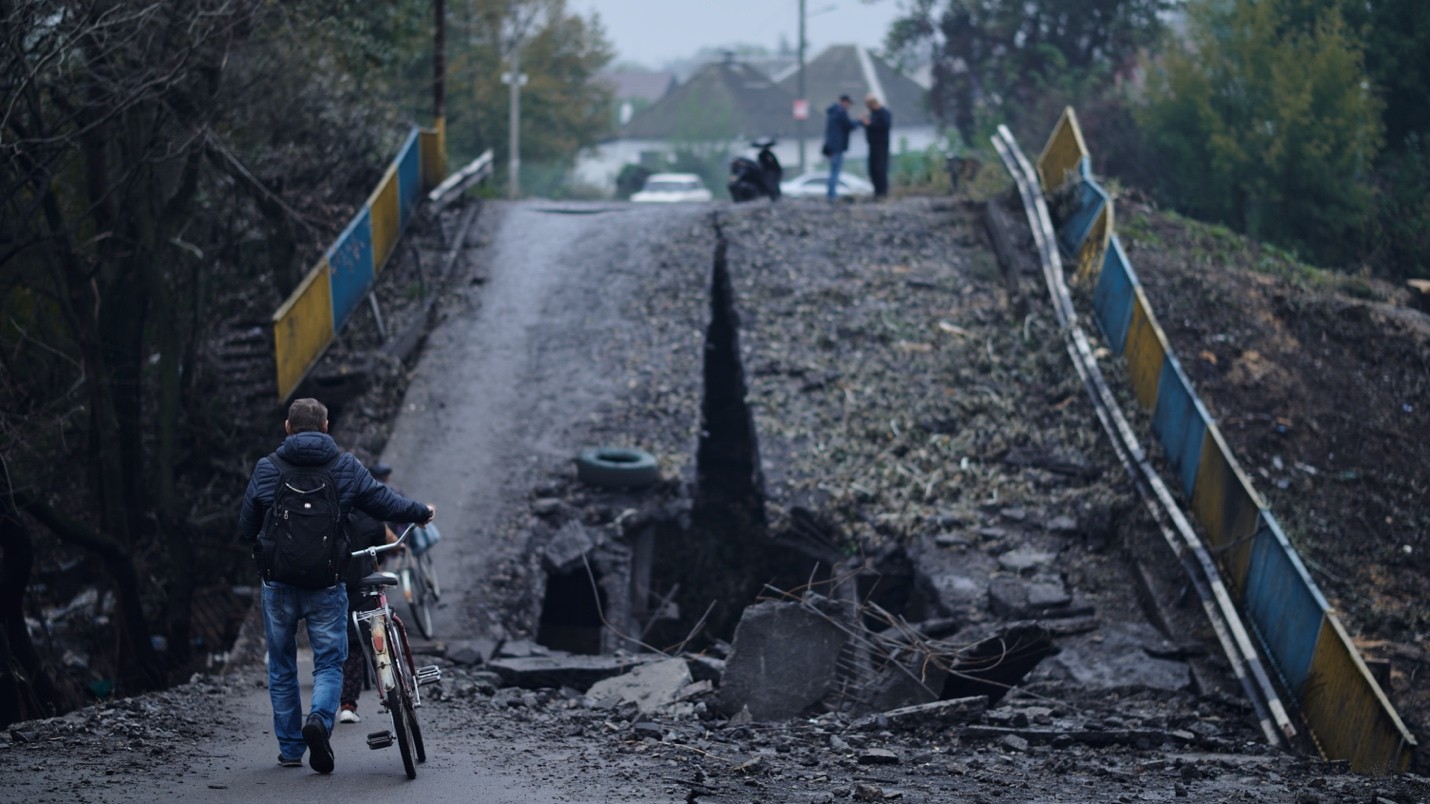
Vladimir Putin justified his invasion to protect Russia’s interests in Ukraine. In February 2014, Russian military forces surrounded Crimea’s airports, peninsula, and assembly. One month later, a referendum was held to decide on Crimea’s annexation; based on the majority of the popular vote, 95%, Russia has maintained control over Crimea. Even though the referendum was considered illegitimate, illegal, and invalid by the government of Ukraine, the UN assembly resolution and the majority of countries, including G6 leaders: Canada, France, Germany, Italy, Japan, United Kingdom, and the United States; Putin and Crimea’s leaders signed a bill to annex Crimea to Russia. Since then, the war between Ukraine and Russia has violently increased. Ukraine has been trying to build connections to be a member of NATO, but Russia keeps intervening. Between 2014 and 2021, the “OHCHR estimates the total number of conflict-related casualties in Ukraine from 14 April 2014 to 31 December 2021 to be 51,000–54,0008.”[6] Throughout this time, various unfair imprisonments were made, but by September of 2019, Russia and Ukraine exchanged dozens of prisoners held captive during the annexation of Crimea in 2014. However, many political prisoners are still held captive under poor conditions.[7]
Unfortunately, the inhumane treatment of political prisoners is common across the globe. For example, Iran currently has 559 detained political prisoners. They are subjects of physical and psychological torture, solitary confinement, access to health care, family calls and lawyers, and hunger strike.[8] In 1988, Iranian political prisoners were victims of a massive massacre. Former supreme leader of the Islamic Republic of Iran, Khomeini, issued a religious edict. Thousands of political prisoners were charged with ‘waging war against God’ and executed because of their supposed affiliation with a political organization opposed to the Islamic Republic of Iran. Even though in 2018, Amnesty International reported that Iranian authorities “committed crimes against humanity by forcibly ordering the disappearance and extrajudicial execution of thousands of political dissidents in 1988.” And families of the victims haven’t yet received justice for the suffering of the lives lost during the massacre. In 2021, 150 former UN officials, renowned international human rights, and legal experts wrote a letter to the UN high commissioner for human rights requesting an international commission of inquiry on the 1988 massacre. Unfortunately, political prisoners are victims of torture and violence worldwide, as seen in Iran and Russia.[9]
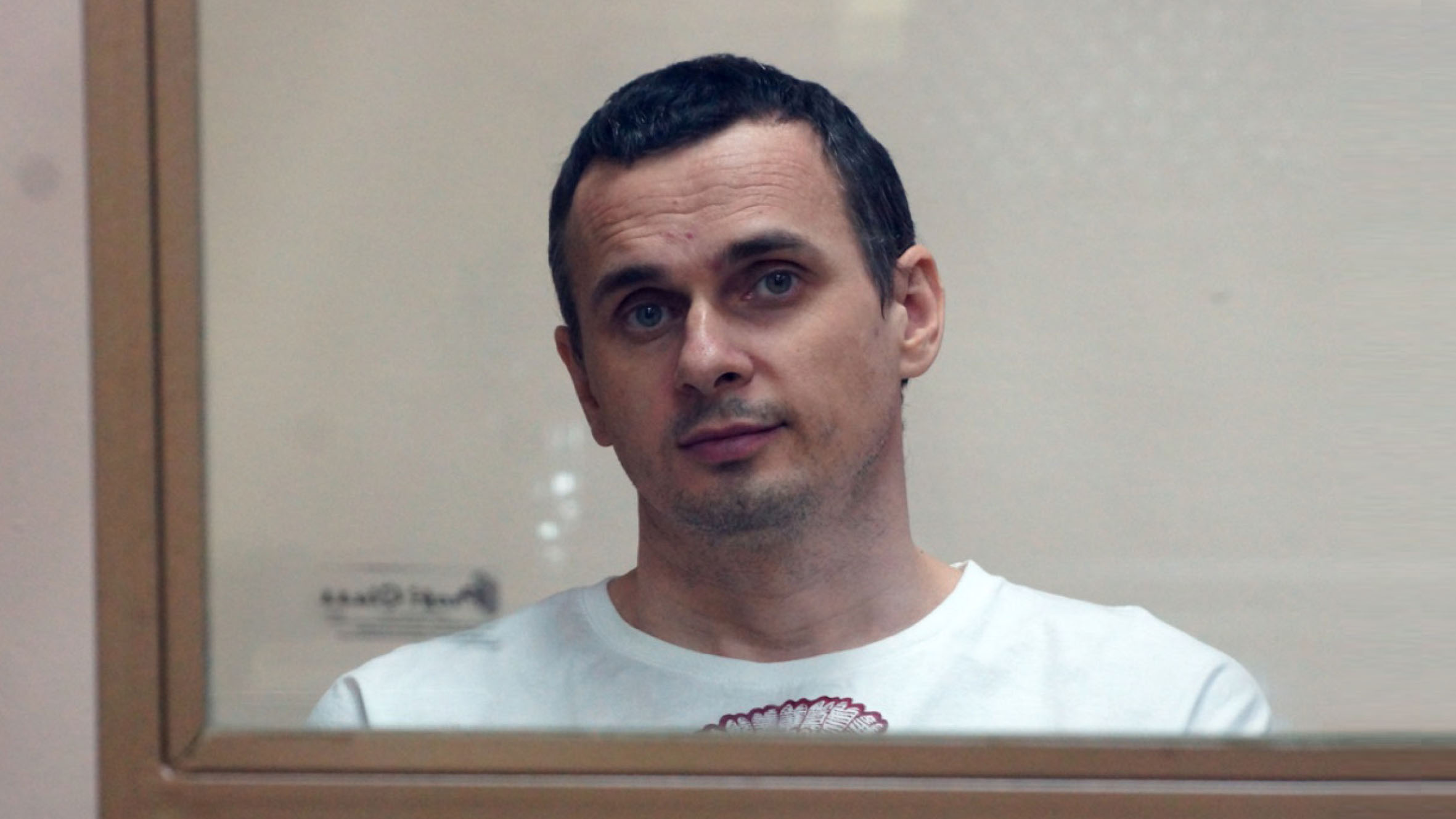
One significant example of a Ukrainian political prisoner sentenced in Russia without actual evidence is Oleg Sentsov. He was accused of terrorism due to his active protests against Russia and the occupation of Crimea in 2015. He was tortured and sent to a Russian prison, where he spent five years out of a sentence of 20. His story was known across the globe due to the unfairness of his case. Sentsov is just one example of the many victims of politically-motivated prosecutions who are imprisoned simply for exercising their human rights.[10] Sentsov’s case was critical because it created awareness worldwide about the injustices, violence, and coercion committed against political prisoners under an authoritarian regime. His story helped understand the maltreatment and injustices suffered as a political activist, “they are regularly subjected to torture; inhumane transport, including month-long transits in cramped trains with little access to water and sanitation; and imprisonment in prison colonies.”[11] Sentsov created solidarity worldwide towards political activists, prisoners, and the fight for human rights leading to various campaigns to release him and other political prisoners.
Oleg Sentsov
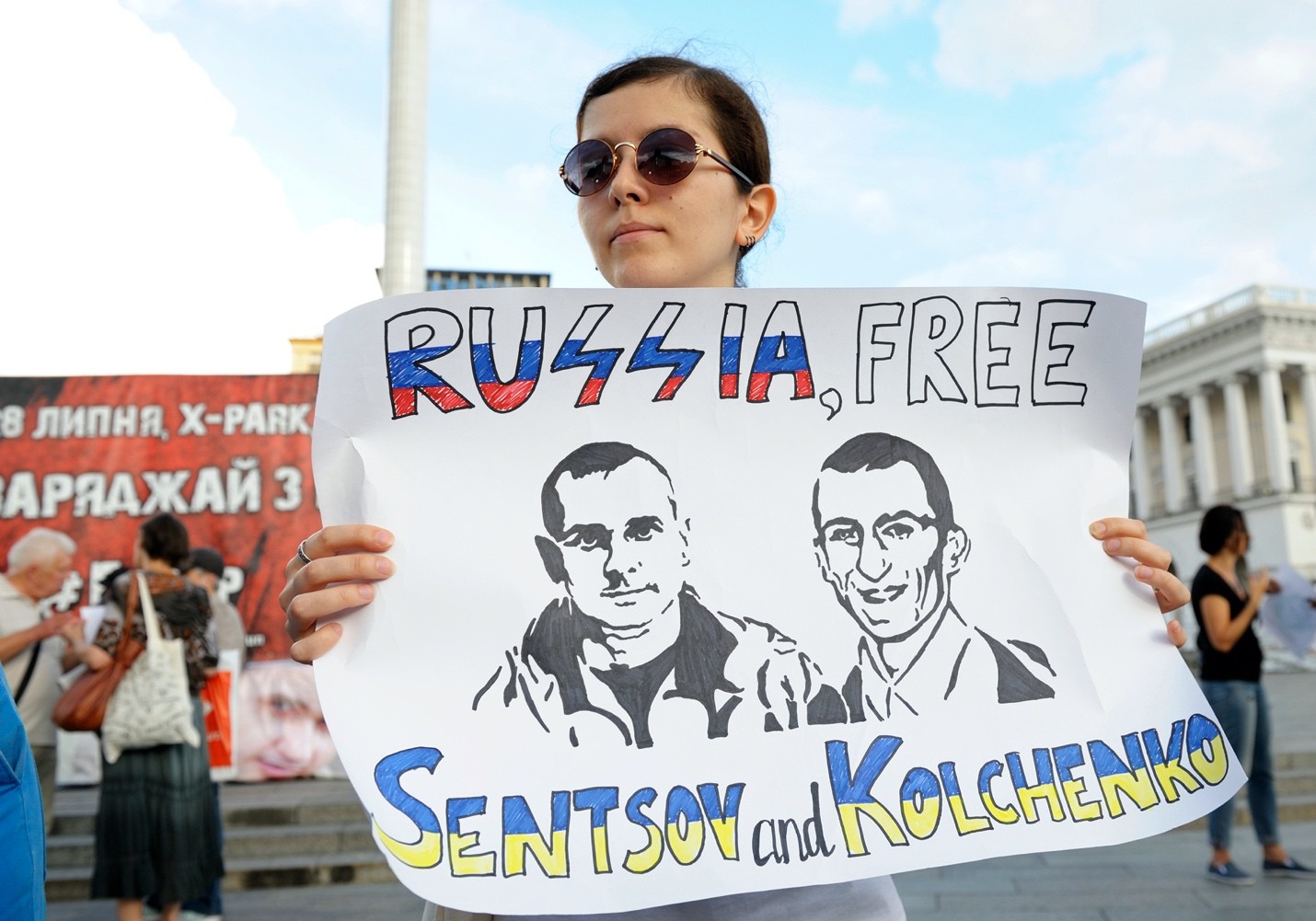
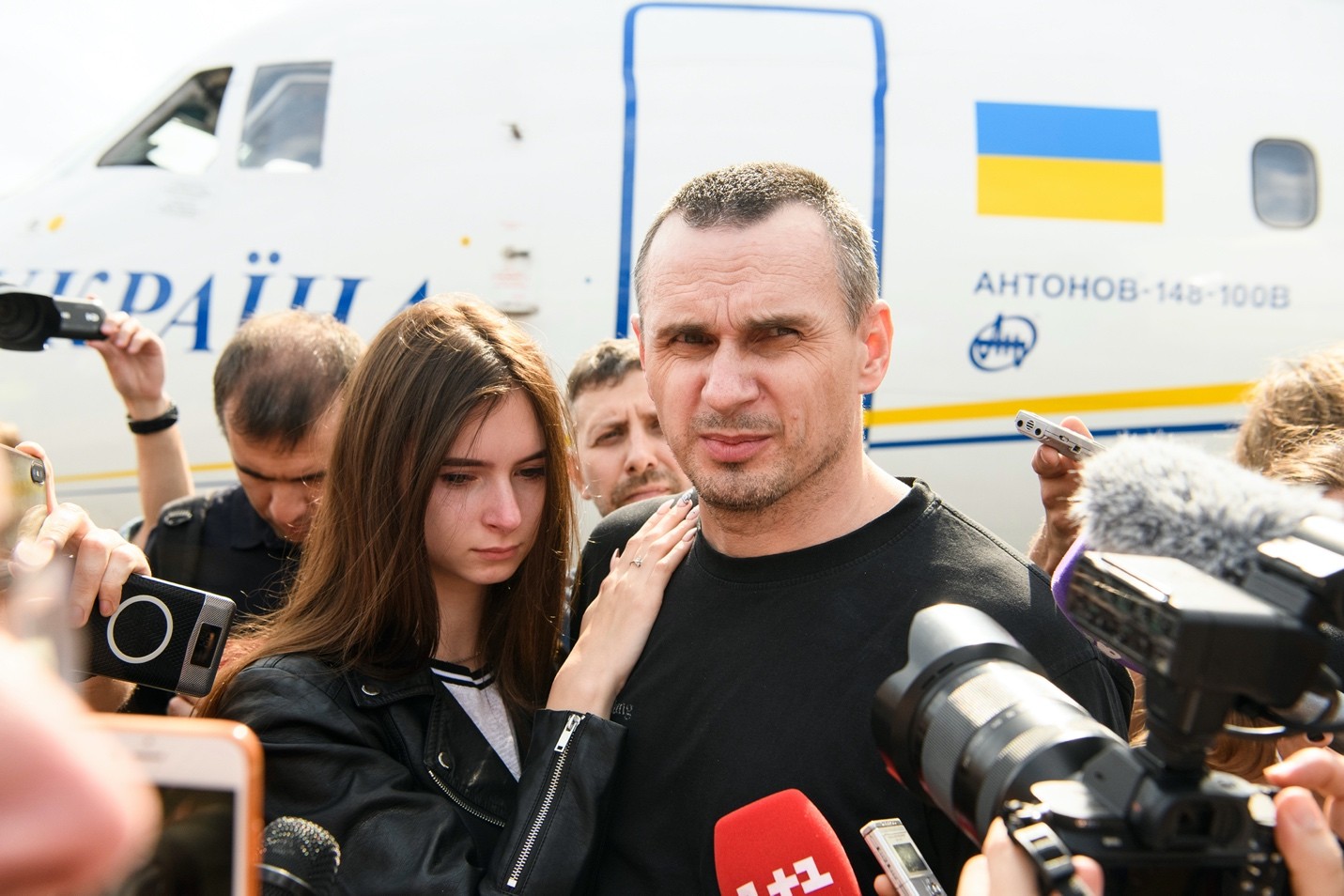
Oleg Sentsov is a Ukrainian film director and was an active protester of former president Viktor Yanukovych and Crimea’s invasion. In May 2014, Sentsov was detained and charged with terrorism by Russia’s Federal Security Service. In 2015, Sentsov declared he was being tortured to get a confession. After being accused of founding a Ukrainian nationalist group and organizing an explosion of a statue of Lenin, he was sentenced to 20 years in prison. However, Gena Afanasev, who was considered a key witness against him, declared that he was forced through torture to provide testimony against Sentsov. And even then, Oleg was still imprisoned without valid evidence against him. Various entities, including the US government, believed Sentsov was being convicted based on his political ideologies. Still, Putin rejected these accusations and stated Sentsov’s imprisonment was due to acts of terrorism. By 2018, after attempts of release were dismissed and he was moved to a solitary cell in which he suffered torture; Sentsov underwent a 100 days hunger strike to demand the release of 70 Ukrainian political prisoners, but he was forced by the authorities to end it. Finally, after five years in prison and the support of campaigns like Global Day of Action, which was organized by the Voice Project in support with Pen America and a number of partners globally including Center of Civil Liberties, International Partnership for Human Rights, Pen Santa Cruz, Pen Belarus, and Free World Association in countries like France, Canada, Bolivia, Germany, United States, Lithuania, Poland, among others. The Global Day of Action was full of readings, rallies and special events in support of Oleg Sentsov.[12] Yet another campaign was the #SaveOlegSentsov, which was focused on protecting and releasing Ukrainian political prisoners. Groups from 40 countries helped organize global actions almost simultaneously, including promotions, flash mobs, and screening of The Process: The Russian State Against Oleg Sentsov. This documentary shared Sentsov’s story and was supported by various famous actors, directors, and artists.[13] By September of 2019, Sentsov was freed. However, he clarifies that the fight is not over until all Ukrainian political prisoners are released.[14]
Sentsov’s release
Oleg Sentsov is an important figure within the fight for human rights and fundamental freedom. In 2018, Sentsov was awarded with the Sakharov Prize for Freedom of Thought, which celebrates individuals or organizations that advocate for human rights.[15] Sentsov’s case did not only have a local impact but internationally as well. Organizations like Amnesty International, Pen America, and Front-Line Defender supported Sentsov and political prisoners unfairly treated in Russia. Pen America launched a letter calling on U.S Secretary of State Rex Tillerson to press the release of Oleg with the support of film celebrities, authors, and tv hosts.[16] Sentsov’s case had global attention because it exposed an authoritarian regime and the unseen maltreatment given to political prisoners. In addition to Amnesty’s attempt to run a medical exam on Sentsov, UN experts called on Russian authorities to release Sentsov, highly concerned about his physical and mental state.[17] The voice project was another organization that released the campaign Free Oleg Sentsov creating the Worldwide Day of Action for Oleg Sentsov with the support of Pen America.[18] After the intervention of international organizations and governments, and after five years of imprisonment, Sentsov was finally freed. He was part of a swap of 70 prisoners between Ukraine and Russia.[19]
Persecution and Inhumane Imprisonment
The persecution of Crimean political prisoners including journalists, opposition activists, prohibited religious groups and members of specific political organizations, has highly increased due to Russia’s occupation in 2014. Various of them faced unfair arrests, enforced disappearances, and show trials in the hands of Russia-controlled courts, with a predominant number being Crimean Tatars. The persecution of Crimean Tatars dates back to 1944, when Stalin accused this group of Nazi collaboration. On 18-20 May of 1944, more than 180,000 of Crimean Tatars were forcibly deported to the distant areas of Central Asia and Siberia. They were prohibited from returning home until 1989, 45 years later. The 2014 invasion was not that different from what they had already been through. Crimean Tatars have been victims of disappearances and arrests, undergoing horrible maltreatment.[20] Between 2014 and 2019, 321 Ukrainian political prisoners were freed, while 120 remained deprived of their liberty.[21] This number increased to 410, 329 persecuted for religious affiliations and 81 for political reasons.[22] By 2017, at least 26 of those charged were Crimean Tatars with terrorist accusations missing actual evidence.[23] Political prisoners are victims of daily torture to confess to crimes they have not committed. In the eyes of Russia’s laws, they are not human beings even when their innocence is apparent.
Political prisoners have been persecuted primarily based on their religious and political beliefs for decades. In 1987, after 42 political prisoners were released from the jails because of Sakharov’s activities, estimations suggested that there were still at least 1,000 prisoners in prisons in Soviet jails or camps.[24] Despite early hopes and optimism that post-Soviet Russia would abandon oppressive policies and eliminate the existence of political prisoners, reports reveal a stark reality: many citizens are currently detained or face the threat of imprisonment for political reasons. This underscores the persistence of authoritarian practices and the ongoing struggle for political freedom in the country.
Even though it’s been years since the Soviet era, many of the dehumanizing conditions given to political prisoners are still used today. The most considerable persecution is within repressed religious and ethnic minorities. Islamic organizations like Hizb-ut-Tahrir have been labeled terrorists despite the lack of evidence. Most political prisoners in Russia are labeled as corrupt, violent, and unpatriotic. According to the Memorial Human Rights Center reports, prisoners undergo improper questioning of defendants, anonymous witnesses, falsification of evidence, and entrapment.[25]
Russian prisons and penal colonies still resemble the Soviet Gulag, built back in Stalinist times. This system includes poor infrastructure, human rights violations, torture, corruption, and prisoner exploitation. Russian prison services know how to hide pathologies and corruption and gain extra money by exploiting prisoners and accepting bribes. The FSIN (Federal Penitentiary Service) is in charge of the administration and supervision of the prison system. Shockingly, they operate as a “state within the state.” They have their health care service, transportation, education, etc., placing them in a significant position of power, corruption, and dominance. Prisoners are transported in windowless trains to unknown penal colonies. Since most of them are located far from populated areas, most prisoners are deprived of contacting their families and lawyers. There are four penal colonies: Less strict, ordinary, strict, and special. The first one allows prisoners to move freely and have family visitations. In the second one, prisoners are constantly supervised and kept in large barracks with 150 beds each. Finally, prisoners have more restrictions in the last two and are locked in cells with up to 50 prisoners each. Most of these colonies do not meet the required standard of space for prisoners. Due to overcrowding and the number of prisoners per cell, maintaining basic hygiene is difficult, leading to epidemic outbreaks. Unfortunately, the mortality rate is difficult to estimate because most prisoners’ deaths are not reported. Prisoners are also victims of abuse, torture, and forced labor on a mass scale. Political trials are common in contemporary Russia because it’s a way to tackle political opposition. This is why human rights defenders and minorities are highly prosecuted and repressed. Just in 2018, 195 political and religious prisoners were incarcerated. Even though Russian prisons are considered inhumane, President Putin has confirmed in 2018 that no new reforms are planned for the prison system. [26]
Advocacy, campaigns and release strategies [1] for political prisoners
“As of 1 October 2021, 321 people who were freed between 2014 and 2019 have been recognized as having been deprived of their liberty as a result of the armed aggression against Ukraine. In addition, according to human rights groups’ data, at least 120 Ukrainian political prisoners are still deprived of their liberty or face restricted liberty on the territory of the Russian Federation or occupied Crimea.”[27] Unfortunately, the number continues to increase due to the new Russian attacks. Human rights defenders, religious and ethnic minorities, and political dissents are held unfairly and under poor conditions, including torture and even disappearances. This is why authorities and the community should be aware of this situation, and the inhumane treatment political prisoners receive because they defend what they believe. As a result, various organizations have created strategies, projects, and campaigns to help release political prisoners and create awareness of their situation.
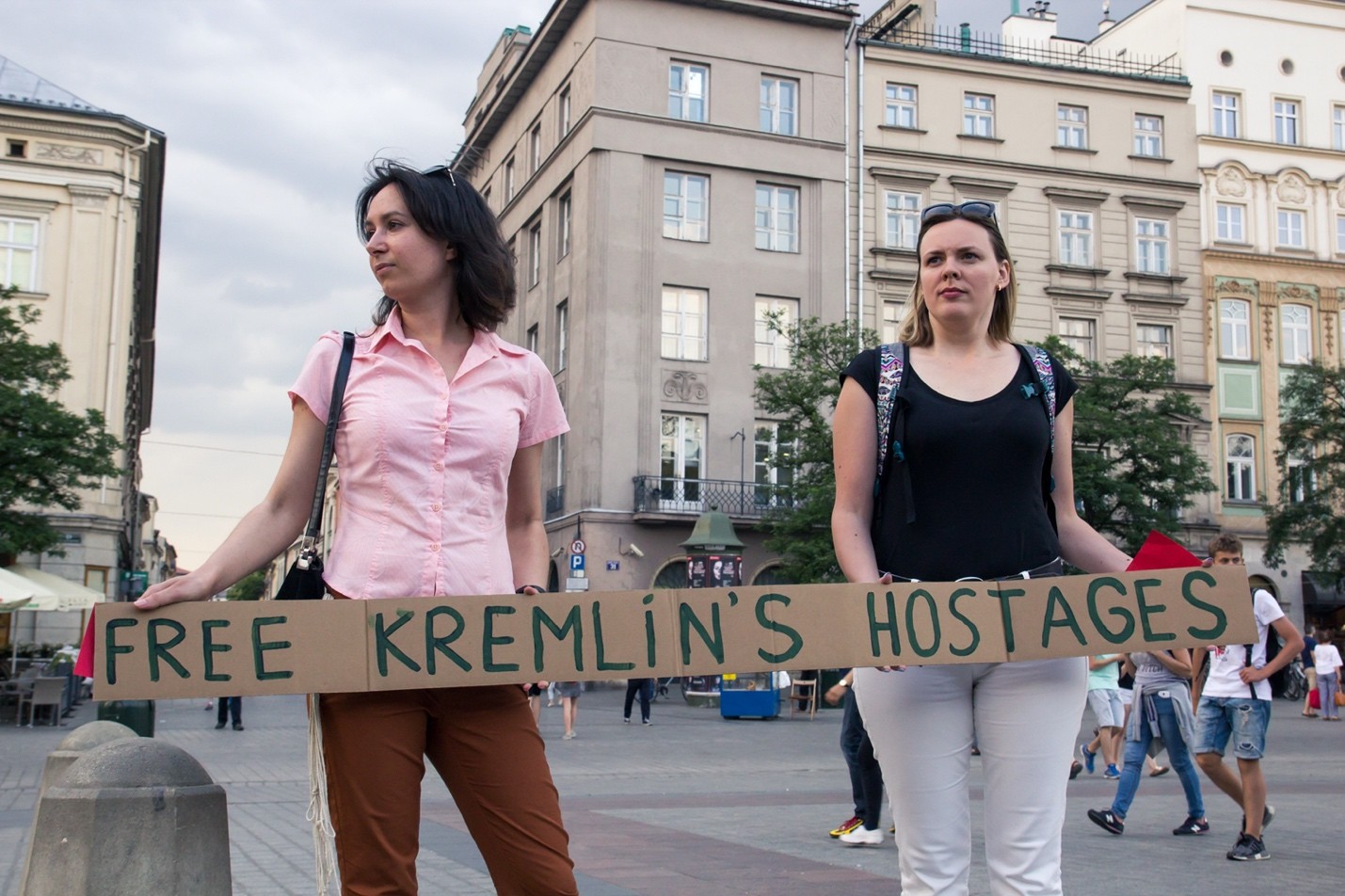
Among these projects is the OVD-info, which is an independent Russian nonprofit organization created by the Human Rights Center Memorial that advocates for political prisoners.[28] Another project is the Coalition to free the Kremlin’s political prisoners. Some of their members are Human Rights Foundation, Euromaidan SOS, Solidarus, and Center for Civil Liberties. They coordinate collective actions to free political prisoners and create awareness of each of their profiles to increase pressure over Russian authorities to release them.[29]
In partnership with USAID, Amnesty International, and Crimea SOS, the Ukrainian Institute and the Ministry of Foreign Affairs of Ukraine created the project Crimea 5 am. Divided into three main components: A performance-document, a book, and an informational campaign. The Performance-document was based on the play by Natalia Vorozhbyt and Anastasia Kosodiy, which was created by interviewing 11 political prisoners and their families.[30] This project seeks to draw attention to the negative repercussions of the invasion of Crimea on political prisoners, including the persecution of civil activists and Crimean Tatars. Furthermore, the project wants to educate as much as possible about political prisoners and their families so people can empathize with their realities and support their deliberation.[31] Yet another campaign is the Let My People Go by the Euromaidan SOS initiative. This project was supported by People in Need, Euromaidan Press, Euromaidan Warszawa, and the Ministry of Foreign Affairs of Ukraine. This campaign seeks to provide legal aid and create awareness of their situation. “It aims to release all the persons on the #LetMyPeopleGo list and monitors compliance with the fundamental rights of Kremlin’s hostages, particularly freedom from torture, free access to a lawyer, medical care, etc.” It also promotes the participation of individuals through monetary donations for campaigns and prisoners’ families, letters, and ways to share the campaign’s objectives.[32] These are just some of the campaigns created to release political prisoners in Russia. It is crucial to promote awareness of how individuals with their right to freedom of speech and assembly are taken prisoners and tortured because they have a different political or religious stand.
Additional procedures support the release of the Kremlin’s political prisoners besides the campaigns, including appeals, resolutions, and letters done by UN bodies, regional bodies, civil society groups, and organizations. In December 2018, the UN general assembly resolution 73/263 stated their concern about torture being used as a tool to extract false confessions. “Deeply concerned that, since 2014, torture has reportedly been used by the Russian authorities to extract false confessions for politically motivated prosecutions, including in the case of Oleg Sentsov, a Ukrainian film-maker, and expressing deep concern about the ongoing arbitrary detentions and arrests by the Russian Federation of Ukrainian citizens.”[33] In August of the same year, the Committee Against Torture denounced the arbitrary detention of HRDs, lawyers, and political opponents and the involuntary placement in psychiatric institutions as a way of punishment. The UN Human Rights Council has issued appeals and allegation letters concerning arrests and detention of religious minorities like Jehovah’s witnesses. Additionally, the European Parliament and Parliamentary Assembly of the Council of Europe (PACE) adopted various resolutions demanding the immediate release of political prisoners, including illegally detained Ukrainian citizens, for example, the case of Oleg Sentsov.[34]
Political prisoners today
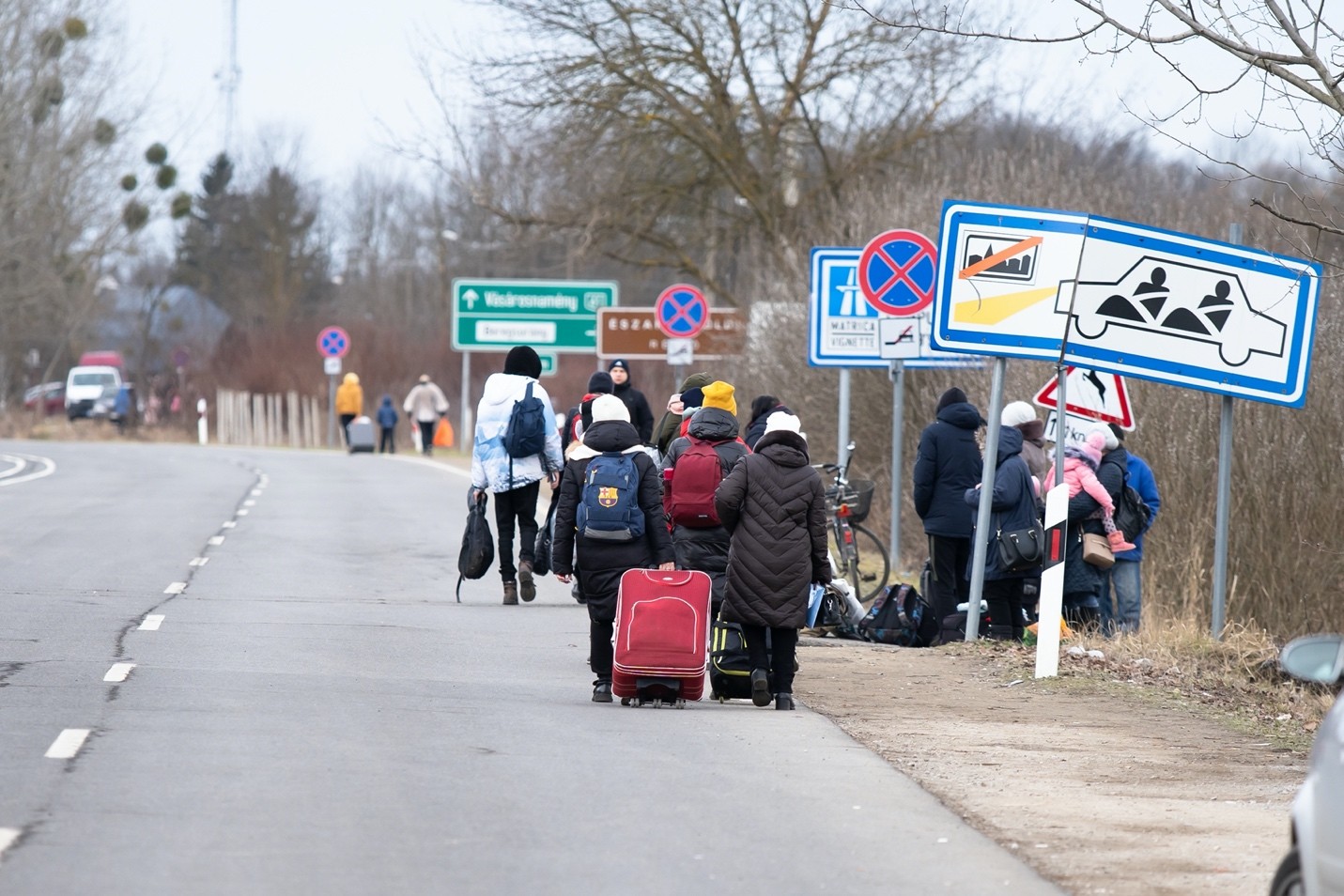
As of October, 2021, the number of Ukrainian political prisoners in Russia is closer to four hundred:[35] individuals who are unreasonably imprisoned and tortured due to their beliefs. According to The Universal Declaration of Human Rights, “no one shall be subjected to torture or cruel, inhuman or degrading treatment or punishment.”[36] Unfortunately, political prisoners are constantly beaten up and exposed to epidemic outbreaks due to the lack of basic hygiene in prison. Sadly, the Russian violence and the persecution of Ukrainian political prisoners, mainly Crimean Tatars, continues until today with the new Russian invasion. Under the argument that Ukraine was a harmful threat to Russia’s safety, development, and existence and avoided their desire to join NATO, Putin started one of the biggest wars since 1945.[37] Civilians are subjects of torture, abuse, enforced disappearances, and executions. During the past few months, activists, human rights lawyers, and journalists have been exiled or accused of being extremists and terrorists. They’ve been forced to leave their country through harassment, intimidation, and work disruption.[38] For example, between 24-26 March 2022, the HRMMU reported the disappearances of 21 journalists and civil society activists. They’ve also received credible allegations “of more than 45 cases of torture and ill-treatment by civilians, police officers, and members of the territorial defense. In most cases, perpetrators allegedly duct-taped individuals to electricity poles or trees, partially or fully stripped them, beat them, including sticks and rods. {…} HRMMU notes a large number of videos with intimidation and insults of Ukrainian POWs following their capture.”[39] It is crucial to support and create awareness through campaigns and human rights organizations to stop these hateful human crimes toward political prisoners and civilians.
Conclusion
Abuse and torture of Ukrainian political prisoners in Russia prevail until today. The war between Russia and Ukraine started back in 2014 with the invasion of Crimea and continues until today with Putin’s new attacks and bombing to “protect” Russia and avoid Ukraine’s union with NATO. Political prisoners, especially Crimean Tatars, were highly affected by Russia’s invasion. They were subject to torture, executions, and forced disappearances. For example, Oleg Sentsov is a filmmaker and activist sentenced to 20 years of prison after he protested against Crimea’s annexation, suffering inhumane treatment. After the support of human rights organizations and campaigns to release him, he was freed. Unfortunately, that is not the same situation for all political prisoners. Unfortunately, individuals who speak in favor of their political and religious beliefs are condemned to prison or death. All individuals deserve the freedom to be and tell their truth.
[1]. “History of Crimea.” Britannica.
[2]. “UN Assembly declares Crimea referendum invalid” United Nations. Mar 27, 2014.
[3]. “We Stand with Oleg Sentsov.” Amnesty International, 2018.
[4]. “On Self-Removal of the President of Ukraine from his Constitutional Authority and Early Elections of the President of Ukraine” Verkhovna Rada of Ukraine. Feb 22, 2014.
[5]. “2014 Ukraine Crisis.” Max Fisher. Vox. Sep 3, 2014.
[6]. “Conflict-related civilian casualties in Ukraine” United Nations Human Rights. Jan 27, 2022.
[7]. “ Ukraine Crisis: A Timeline.” Nigel Walker. House of Commons Library. Apr 1, 2022.
[8]. “Iran Prison Atlas” United for Iran. 2022.
[9]. “Iran’s leaders ‘are responsible’ for executing 30,000 political prisoners.” Mostafa Naderi. Open Democracy. Jun 7, 2021.
[10]. “Filmmaker Oleg Sentsov and others freed in prisoner swap” Amnesty International. Sep 7, 2019.
[11]. “Why We Must Speak Out about Oleg Sentsov Now.” Natalia Arno. Atlantic Council. Sept 11, 2018.
[12]. “Global Day of Action.” Pen America. Feb 26, 2018.
[13]. “Annual Report: Save Oleg Sentsov Campaign.” Center for Civil Liberties. 2018.
[14]. “Oleg Sentsov” Pen America.
[15]. “Freed Ukrainian filmmaker receives human rights award.” Charlotte Mitchell. Aljazeera. Nov 26, 2019.
[16]. Pen America Campaign.” Pen America. May 10, 2017.
[17]. “Oleg Sentsov.” Human Rights Commission.
[18]. “Worldwide Day of Action for Oleg Sentsov.“ Voice Project.
[19]. “Oleg Sentsov Release.” Nancy Tartaglione. Deadline. Sep 7, 2019.
[20]. “Occupied Crimea: Victims and Oppressors.” Brynykh and Lykholat. Freedom House. Aug 30, 2018.
[21]. “400 Ukrainian imprisoned without a crime in Russia.” Halya Coynash. Kharkiv Human Rights Protection Group. Oct 20, 21.
[22]. “Russian Rights Group Memorial Documents 410 Political Prisoners.” Radio Free Europe Radio Liberty. Aug 17, 2021.
[23]. “Crimea: Persecution of Crimean Tatars intensifies.” Human Rights Watch. Nov 14, 2017.
[24]. “Sakharov’s list.” Gary Lee. The Washington Post. Feb 8, 1987.
[25]. “ Punishment without Crime.” Ellen Leafstedt. Riddle. Mar 11, 2021.
[26]. “Russia Behind Bars: The peculiarities of the Russian prison system.” Jan Strzelecki. OSW Center for Eastern Studies. Feb 07, 2019.
[27]. “400 Ukrainians imprisoned without a crime in Russia.” Halya Coynash. Kharkiv Human Rights Protection Group. Oct 20, 2021.
[29]. “No to War.” Free Russia Foundation.
[30]. “Crimea 5am Performance-Document.” Dmytro Kostyumynsky. Dollmen Theater Company. Nov 2, 2021.
[31]. “Crimea 5 am.” Crimea 5 am.
[32]. “Let My People Go.” Let My People Go.
[33]. “General Assembly Resolution 73/263.” United Nations General Assembly. Dec 22, 2018.
[34]. “The Kremlin’s Political Prisoners.” Perseus Strategies. 2019.
[35]. “400 Ukrainian imprisoned without a crime in Russia.” Halya Coynash. Kharkiv Human Rights Protection Group. Oct 10, 2021.
[36]. “Political Prisoners.” Douglas J. Dallier. Britannica.
[37]. “Russian invasion 2022.” Paul Kirby. BBC News. May 9, 2022.
[38]. “Russia: Repression Escalates.” Human Rights Watch. Jan 13, 2022.
[39]. “Human rights situation in Ukraine 2022.” United Nations Human Rights Office of the High Commissioner. 2022.
