
Abstract
This case study examines the development, structure, and activities of humanist organizations in the United Kingdom and France, focusing on their role in promoting secular ethics, social cohesion, and freedom of belief. By analyzing groups such as Humanists UK and Union Rationaliste, the study highlights how non-religious communities organize, advocate, and contribute to public life. It concludes by drawing lessons applicable to Iranians, particularly regarding grassroots organization, civic engagement, and coexistence.
Introduction
There once was a time when funerals were expected to be carried out only by religious authorities, following fixed rituals that left little room for personal variation. But the modern era has opened new possibilities. In the United Kingdom, organizations such as Humanists UK have helped families create meaningful, non-religious ceremonies that reflect the life and values of the individual. One widely documented case involved a family who, after losing a parent who had long identified as non-religious, chose a humanist celebrant instead of a traditional cleric. The ceremony took place in a quiet hall, where friends and relatives gathered not for prescribed prayers, but to share stories, music, and reflections that captured the person’s character. The absence of religious language did not diminish the solemnity of the moment-rather, it allowed the ceremony to feel more intimate and authentic, grounded in shared memory rather than doctrine. For many in attendance, the experience was unfamiliar at first, shaped by expectations of what a funeral “should” be. Yet as the ceremony unfolded, it became clear that dignity and respect did not depend on religious formality alone. The celebrant guided the gathering with care, creating space for grief while also affirming the value of a life lived according to personal convictions. Such ceremonies have become increasingly common across the UK, illustrating how humanist organizations provide not only ideological alternatives but also practical services that meet deeply human needs. In a broader sense, this example shows that even long-standing social traditions can evolve gradually, adapting to reflect the diversity of beliefs within a society. For societies like Iran, where rituals remain closely tied to religious structures, the lesson is not to replace tradition abruptly, but to recognize that alternative forms of meaning and community can emerge quietly, through practice, experience, and the willingness to respond to people’s lived realities.
Humanist organizations in Europe have evolved as structured communities that promote ethical living without reliance on religious frameworks. In the UK, Humanists UK has roots in the 19th-century ethical movement, while in France, organizations such as Fédération Nationale de la Libre Penséeration nationale de la libre pensée and Union Rationaliste are influenced by the country’s strong tradition of laïcité (state secularism). These groups operate within democratic systems that allow freedom of association and belief, enabling them to function openly and influence public discourse.[1]
Vision and Mission
Humanist organizations in both countries share a vision centered on reason, human dignity, and ethical responsibility. Humanists UK defines its mission as advancing free thinking and a secular state, while supporting individuals in living ethical lives without religion. Similarly, Union Rationaliste promotes the application of scientific reasoning and critical thinking in public life. Across both contexts, the emphasis is on pluralism, coexistence, and the protection of freedom of belief, including non-belief.[2]
Purposes and Goals
The primary goals of these organizations include advocacy for secular governance, public education, and community support. In the UK, Humanists UK campaigns on issues such as the separation of religion and state institutions, inclusive education, and freedom of expression. In France, Fédération Nationale de la Libre Penséeration nationale de la libre pensée focuses on defending laïcité[3] and opposing religious influence in public affairs. Both contexts show a consistent effort to normalize non-religious identities while ensuring equal treatment under the law.[4]

Leadership
Leadership in these organizations tends to be institutional and professionalized, often combining academic, legal, and advocacy expertise. Figures such as Andrew Copson, the chief executive of Humanists UK, represent a model of leadership that is both publicly engaged and policy-oriented. In France, leadership within groups like Union Rationaliste often includes scholars and intellectuals who contribute to public debates on secularism. This leadership style emphasizes credibility, evidence-based arguments, and sustained civic participation.
Community and Environment
Humanist organizations in the United Kingdom and France operate within distinct but comparably structured secular environments that shape both their opportunities and constraints. In the UK, Humanists UK functions as a registered charity within a mature civil society ecosystem that supports voluntary associations, advocacy groups, and public education initiatives. This environment enables the organization to maintain a broad network of local groups, student societies, and affiliated initiatives, including national coordination bodies such as Humanist Students, which link university-based communities into wider civic engagement structures[6]. The UK model illustrates how non-religious communities can integrate into existing institutional frameworks, such as education, healthcare chaplaincy, and parliamentary discussion, without requiring formal state endorsement, but rather through sustained participation and legitimacy-building.[7]
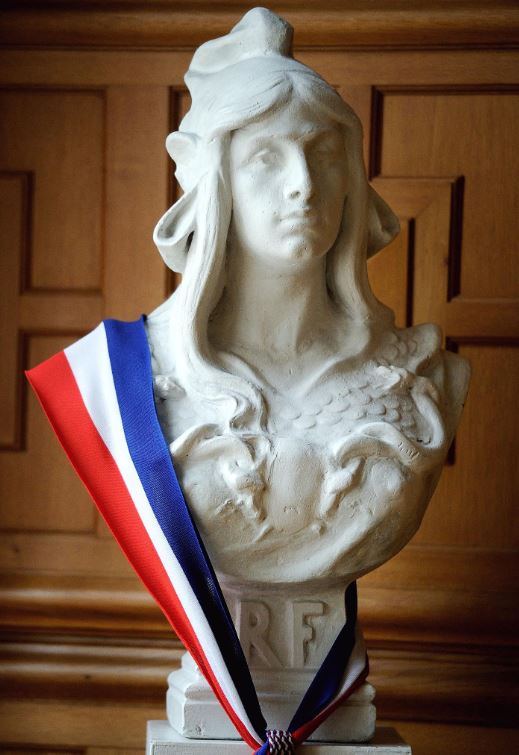
In France, the environment is shaped by the doctrine of laïcité, which historically emerged as a means of limiting the political influence of religious institutions and establishing a neutral public sphere. Organizations such as Union Rationaliste and Fédération Nationale de la Libre Penséeration nationale de la libre pensée operate within this framework, often positioning themselves as defenders of secular principles rather than merely community-based groups. Academic research shows that numerous non-religious and rationalist associations actively campaign to maintain or expand the application of laïcité, including collective initiatives advocating strict separation between religion and public institutions.. At the same time, scholars note that contemporary French secularism has evolved into a more complex system balancing freedom of belief with public neutrality, sometimes generating tensions but also reinforcing pluralism.[8]
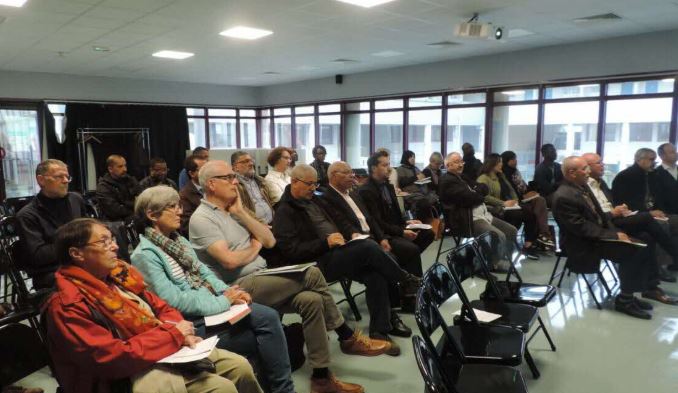
Across both contexts, humanist organizations benefit from legal protections for freedom of association and expression, which allow them to publish, organize events, and engage in public debate. Comparative research on European humanism highlights that these movements have increasingly become part of a broader “life stance” ecosystem, where non-religious identities are institutionalized alongside religious ones, contributing to a more diverse public sphere[10]. Importantly, these organizations do not operate in isolation-they interact with state institutions, media, academia, and other civil society actors, forming a multi-layered environment that sustains their visibility and influence.
For Iranian society, the contrast is significant but instructive. While the legal and political environment in Iran places severe constraints on independent civil society, the European cases demonstrate that community formation does not begin with legal recognition but with social organization. Informal networks, intellectual circles, and small-scale community activities can gradually evolve into more structured entities when opportunities arise. Moreover, the French example shows that even within a highly politicized framework of belief and identity, it is possible to maintain a discourse centered on shared civic principles rather than confrontation alone. For Iranian activists, this suggests that cultivating spaces of dialogue, intellectual exchange, and mutual support, even at a limited scale, can lay the groundwork for more resilient communities over time.
Message and Activities
The activities of humanist organizations in the UK and France represent the most tangible expression of their values, translating abstract commitments to reason and ethics into concrete social practices. In the UK, Humanists UK combines service provision, education, and advocacy in a highly institutionalized manner. One of its most visible activities is the organization of non-religious ceremonies, including weddings, funerals, and naming ceremonies, which provide culturally meaningful alternatives for individuals who do not identify with religious traditions.. These ceremonies are not merely symbolic-they play a crucial role in normalizing non-religious identities and embedding them within everyday social life.

Beyond ceremonies, the organization engages extensively in educational initiatives and public outreach. It produces teaching materials, supports curriculum development, and promotes inclusive approaches to moral and philosophical education. Its lecture programs, such as the Darwin Day and Voltaire Lectures, bring together scientists, philosophers, and public intellectuals, creating platforms for the dissemination of humanist ideas to broader audiences.. These activities are complemented by publishing efforts, including magazines and digital content, which sustain an ongoing intellectual and cultural presence. Historically, affiliated bodies like the Rationalist Association have contributed to this tradition by publishing accessible editions of scientific and philosophical works, expanding public access to critical thought..
Importantly, Humanists UK also provides direct support services, including pastoral care in hospitals and prisons, peer support for individuals leaving restrictive belief systems, and assistance for asylum seekers facing persecution due to their beliefs. Strategic documents indicate that such services are increasingly central to its mission, with dedicated programs supporting vulnerable individuals and offering practical guidance grounded in humanist philosophy.. This combination of advocacy and service provision strengthens the organization’s social legitimacy and demonstrates the practical relevance of its values.
In France, organizations like Union Rationaliste focus more heavily on intellectual engagement and public debate, reflecting the country’s strong tradition of philosophical discourse. Their activities include publishing journals, organizing conferences, and participating in national debates on secularism, science, and public policy. These efforts aim to promote critical thinking and scientific reasoning as foundational elements of public life. At the same time, broader secular networks in France engage in coordinated advocacy, issuing manifestos and participating in legal and political debates around the implementation of laïcité.. This demonstrates a more collective and sometimes more confrontational approach compared to the UK model, but one that is deeply rooted in France’s historical and intellectual context.
Across both countries, a key feature of humanist activity is the integration of ideas with practice. Rather than remaining purely theoretical, humanist principles are expressed through services, education, and civic engagement. This integration allows these organizations to reach diverse audiences and maintain relevance in rapidly changing societies. Moreover, their activities often emphasize coexistence, engaging not only with non-religious individuals but also with religious communities, policymakers, and the general public.
For Iranian society, several lessons emerge from this model of activity. First, the emphasis on low-threshold, practical services, such as educational content, informal counseling, or community gatherings, can provide entry points for engagement that are less likely to provoke immediate resistance. Second, the use of cultural and intellectual platforms, including lectures, publications, and discussion groups, offers a way to disseminate ideas gradually while building networks of trust. Third, the combination of service provision and advocacy suggests that credibility is often built through usefulness rather than ideology alone. In contexts where open activism may be constrained, focusing on community support and knowledge-sharing can create a foundation for longer-term social influence.
Ultimately, the experience of humanist organizations in the UK and France shows that sustained impact is achieved not through isolated actions but through consistent, multi-dimensional engagement, linking ideas, services, and public participation. For Iranian activists and communities, adapting these approaches to local conditions, particularly by prioritizing resilience, decentralization, and cultural relevance, may offer a viable path toward fostering alternative spaces of thought and coexistence.
Conclusion: Lessons for Iranian Society and Activists
The experience of humanist organizations in the United Kingdom and France demonstrates that sustainable forms of coexistence and alternative belief communities are not created through sudden transformation, but through gradual, layered development of social practices, credibility, and networks. One of the most important lessons is that institutionalization begins long before formal recognition. In both cases, communities first established intellectual foundations, informal associations, and cultural legitimacy before achieving broader public visibility. For Iranian society, this suggests that meaningful change does not depend solely on legal reform or political openings-rather, it can begin with the creation of small, resilient circles of trust that prioritize continuity over scale. Such circles, whether centered on discussion, mutual aid, or shared learning, can function as the basic units of a more pluralistic social fabric.
A second key lesson lies in the strategic use of everyday social functions as vehicles for normalization. Humanist organizations in the UK have demonstrated that providing services tied to life events, such as ceremonies or counseling, can gradually embed alternative worldviews into the routine experiences of individuals and families. This approach reduces abstraction and makes ideas tangible and socially relevant. In the Iranian context, while formal equivalents may not always be feasible, analogous practices could emerge in the form of informal community gatherings, cultural commemorations, or ethical discussion groups that respond to real social needs. By addressing practical concerns, such as emotional support, education, or community solidarity, these initiatives can build legitimacy without relying on overt ideological positioning.
Equally significant is the emphasis on education and intellectual engagement as long-term strategies. Both the British and French examples show that lectures, publications, and public debates play a central role in shaping discourse over time. These activities do not necessarily aim at immediate transformation-instead, they contribute to a gradual shift in how individuals understand concepts such as ethics, belief, and coexistence. For Iranian activists, this highlights the value of investing in knowledge production and dissemination, even under constrained conditions. Translation of key texts, development of accessible educational materials, and facilitation of structured discussions can all serve as mechanisms for expanding intellectual space. Importantly, these efforts can be decentralized and adaptive, reducing vulnerability while maintaining continuity.
Another critical insight concerns the role of credibility and professionalism in leadership and organization. Humanist groups in Europe have cultivated legitimacy by grounding their activities in expertise, legal, academic, and social, rather than relying solely on rhetorical appeal. This has enabled them to engage with broader society, including institutions and the public, in a manner perceived as constructive rather than oppositional. In Iran, where trust in formal structures may be limited, the development of competence-based leadership within informal networks can enhance both internal cohesion and external perception. Individuals who contribute specialized knowledge, whether in education, social services, or communication, can help anchor community initiatives in practical value.
The comparative perspective between the UK and France also underscores that multiple models of engagement can coexist, ranging from service-oriented approaches to more advocacy-driven frameworks. This diversity suggests that there is no single pathway for developing alternative belief communities-rather, strategies must be adapted to local cultural, social, and political conditions. For Iranian society, this implies the importance of plurality in methods. Some groups may focus on cultural and educational activities, others on mutual aid or intellectual exchange, and still others on quiet forms of civic engagement. The coexistence of these approaches can create a more resilient and multifaceted ecosystem, reducing dependence on any single form of action.
At a broader level, these cases illustrate that coexistence is not merely a principle but a practice that must be continuously enacted. Humanist organizations have achieved this by engaging not only with like-minded individuals but also with wider society, including those holding different beliefs. This outward orientation has allowed them to position themselves as contributors to public life rather than isolated communities. In the Iranian context, this suggests that efforts to build alternative spaces should avoid insularity and instead seek points of connection with shared social concerns, such as education, well-being, and cultural development. By framing activities around common interests, it becomes possible to foster interaction without necessitating ideological alignment.
Finally, the long-term trajectory of humanist organizations in Europe highlights the importance of patience, adaptability, and continuity. Their development has been marked by incremental progress, periodic setbacks, and ongoing negotiation with broader societal dynamics. For Iranian activists and communities, this reinforces the idea that sustainable change is unlikely to be linear or immediate. Instead, it requires a commitment to persistent, low-visibility efforts that accumulate over time, gradually expanding the space for alternative forms of thought and association. By prioritizing resilience over rapid expansion, and by grounding activities in both practical usefulness and intellectual depth, it is possible to lay the foundations for more inclusive and pluralistic forms of social coexistence.
[1]. Andrew Copson. Secularism: Politics, Religion, and Freedom. Oxford UP, 2017.
[2]. Ibid.
[3]. Jean Baubérot. Histoire de la laïcité en France. Presses Universitaires de France, 2010.
[4]. Stuart McAnulla. “Secularism and the State in the United Kingdom.” Parliamentary Affairs, vol. 67, no. 1, 2014, pp. 1–17.
[5]. Le Dauphiné Libéré. “Une conférence sur la laïcité et le vivre ensemble.” Le Dauphiné Libéré, 29 Apr. 2019.
[6]. “Humanist Students.” Humanists UK.
[7]. Stuart McAnulla. “Secularism and the State in the United Kingdom.” Parliamentary Affairs, vol. 67, no. 1, 2014, pp. 1–17.
[8]. Michael Kelly. “Laïcité and Atheism in France.” French Cultural Studies, vol. 28, no. 1, 2017.
[9] National Secular Society. “NSS Leads Protest Against Plans to Lift Faith-Based Admissions Cap.” Secularism.org.uk, Feb. 2018,.
[10]. Jeffrey Tyssens and Niels De Nutte. “Comparative Humanisms: Secularity and Life Stances in the Post-War Public Sphere.”
[11]. “Everything You Need to Know About Humanist Weddings.” Wed2B.
